


- Afhalen na 1 uur in een winkel met voorraad
- Gratis thuislevering in België vanaf € 30
- Ruim aanbod met 7 miljoen producten
- Afhalen na 1 uur in een winkel met voorraad
- Gratis thuislevering in België vanaf € 30
- Ruim aanbod met 7 miljoen producten





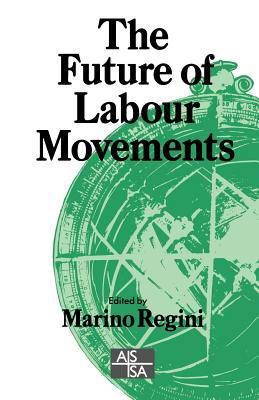
The Future of Labour Movements
€ 122,45
+ 244 punten
Omschrijving
The experience of labor movements in the 1980s and a reinterpretation of their role in the new circumstances of the 1990s is the subject of this engaging volume. Drawn from interdisciplinary perspectives, The Future of Labour Movements uses comparative analyses (of research from the European Community and other OECD countries) to account for long-term changes and to interpret recent developments. The contributors focus on labor movements in both the economic and political dimensions, as actors in the economic system through collective bargaining and other mechanisms and as actors in the political arena, both in corporatist states and in other political systems. Labor movements and institutions, particularly trade unions, are also examined in light of the broader social movements from which they originate. A unique source of analysis of recent and future trends in labor movements, this volume is important reading for academics, researchers, and advanced students in sociology, industrial relations, and political science. "This volume represents a major advance in the development of a comparative sociological understanding of trade unions and labour movement in advanced industrial societies. It brings together many of the leading members of the ISA′s recently formed Research Committee on Labour Movements, all of whom bring to bear and unrivalled depth of knowledge deriving from many years of research and writing in the field. Added spice comes from the highly critical debates. . . . The volume is brimming with insights and ideas, and deserves the serious attention of all scholars interested in the field." --European Sociological Review "Marino Regini′s careful editing has ensured a very high level of coherence of all contributions." --West European Politics "Provides an up-to-date, comprehensive comparative analysis of the factors leading to the decline of trade unions and collective bargaining across the developed world." --Choice "Comparative institutional analysis is one of the most vibrant approaches in the social sciences, and this book confirms its centrality to an understanding of current developments in industrial relations." --British Journal of Sociology "Sociologists eager to try their hand at this kind of cross-cultural research will find much advice of value." --American Journal of Sociology
Specificaties
Betrokkenen
- Uitgeverij:
Inhoud
- Aantal bladzijden:
- 288
- Taal:
- Engels
- Reeks:
- Reeksnummer:
- nr. 43
Eigenschappen
- Productcode (EAN):
- 9780803979772
- Verschijningsdatum:
- 1/02/1993
- Uitvoering:
- Paperback
- Formaat:
- Trade paperback (VS)
- Afmetingen:
- 137 mm x 213 mm
- Gewicht:
- 362 g

Alleen bij Standaard Boekhandel
+ 244 punten op je klantenkaart van Standaard Boekhandel
Cadeau

AANGERADEN


Beoordelingen
We publiceren alleen reviews die voldoen aan de voorwaarden voor reviews. Bekijk onze voorwaarden voor reviews.