



- Afhalen na 1 uur in een winkel met voorraad
- In januari gratis thuislevering in België
- Ruim aanbod met 7 miljoen producten
- Afhalen na 1 uur in een winkel met voorraad
- In januari gratis thuislevering in België
- Ruim aanbod met 7 miljoen producten





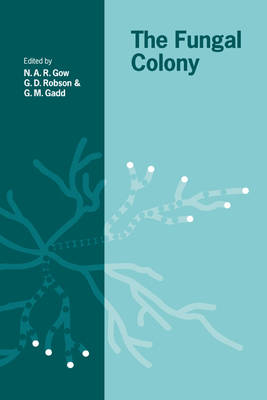
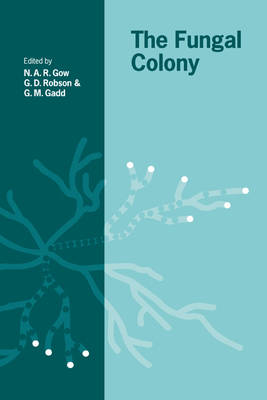
The Fungal Colony
€ 98,45
+ 196 punten
Omschrijving
Fungi are among the simplest of eukaryotes. Their study has provided useful paradigms for processes that are fundamental to the way in which higher cells grow, divide, establish form and shape, and communicate with one another. The majority of work has been carried out on the budding yeast Saccharomyces cerevisiae, but in nature unicellular fungi are greatly outnumbered by filamentous forms for which our knowledge is much less well developed. This volume focuses on the analysis of the filamentous life style, particularly on the hyphae that constitute the fungal mycelial colony. This book provides the most recent insights into the molecular genetics and physiological mechanisms underlying the elaboration of the branching mycelium and the interactions among individual fungal mycelia. This volume offers much to interest mycologists as well as those working in the fields of cell biology, developmental biology, physiology, and biochemistry.
Specificaties
Betrokkenen
- Uitgeverij:
Inhoud
- Aantal bladzijden:
- 344
- Taal:
- Engels
- Reeks:
- Reeksnummer:
- nr. 21
Eigenschappen
- Productcode (EAN):
- 9780521048064
- Verschijningsdatum:
- 1/01/2008
- Uitvoering:
- Paperback
- Formaat:
- Trade paperback (VS)
- Afmetingen:
- 152 mm x 229 mm
- Gewicht:
- 503 g

Alleen bij Standaard Boekhandel
+ 196 punten op je klantenkaart van Standaard Boekhandel
Cadeau

AANGERADEN


Beoordelingen
We publiceren alleen reviews die voldoen aan de voorwaarden voor reviews. Bekijk onze voorwaarden voor reviews.