


- Afhalen na 1 uur in een winkel met voorraad
- Gratis thuislevering in België vanaf € 30
- Ruim aanbod met 7 miljoen producten
- Afhalen na 1 uur in een winkel met voorraad
- Gratis thuislevering in België vanaf € 30
- Ruim aanbod met 7 miljoen producten





€ 46,40
+ 46 punten
Omschrijving
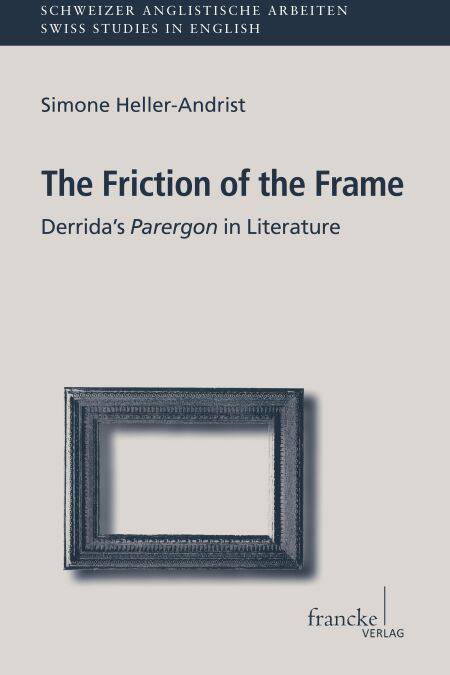
In her study, Simone Heller-Andrist applies the Kantian and Derridean parergon to English literature. The parergon is a specific type of frame that interacts with the work it surrounds in a fashion likely to influence or even manipulate our reading of the work. On the basis of this interaction, Derrida's parergon becomes a valid methodological tool that allows a close analysis of the mechanisms involved in the reading process. The manipulative force of a textual construct is apparent through the occurrence of friction, namely incongruities or gaps we notice during the reading process. Friction is thus, on the one hand, the main indicator of parergonality and, on the other, the prime signal for a potential conditioning of the reader. As readers, we not only have to analyze the interaction between work and parergon but must also constantly reflect upon our own position with regard to the text that we read. By means of the concept of the parergon, we can approach not only paratextual, narrative or discursive frames but also intertextual relationships. Since the application of the concept is based on a basic textual constellation and an internal mechanism, its range is wide and transcends - or complements - previously established textual categories.
Specificaties
Betrokkenen
- Auteur(s):
- Uitgeverij:
Inhoud
- Aantal bladzijden:
- 277
- Taal:
- Engels
- Reeks:
Eigenschappen
- Productcode (EAN):
- 9783772054266
- Verschijningsdatum:
- 6/03/2012
- Uitvoering:
- E-book
- Beveiligd met:
- Digital watermarking
- Formaat:



Alleen bij Standaard Boekhandel
+ 46 punten op je klantenkaart van Standaard Boekhandel
Cadeau

AANGERADEN


Beoordelingen
We publiceren alleen reviews die voldoen aan de voorwaarden voor reviews. Bekijk onze voorwaarden voor reviews.