


- Afhalen na 1 uur in een winkel met voorraad
- Gratis thuislevering in België vanaf € 30
- Ruim aanbod met 7 miljoen producten
- Afhalen na 1 uur in een winkel met voorraad
- Gratis thuislevering in België vanaf € 30
- Ruim aanbod met 7 miljoen producten




Omschrijving
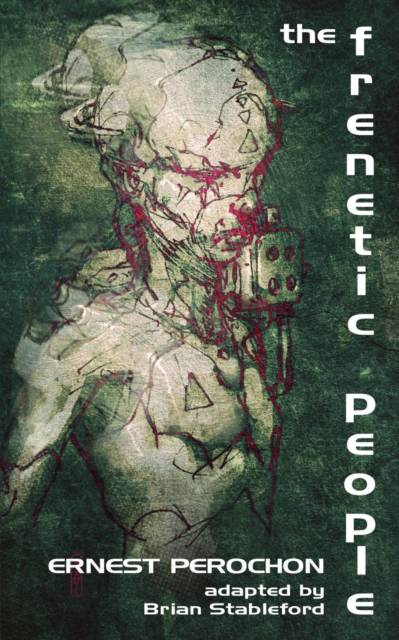
In 1925, Ernest Pérochon, a winner of the prestigious Goncourt literary award, penned The Frenetic People, a prescient warning against unchecked technology. The novel takes place in our 30th century, the 5th century of the new Universal Era, after a bacteriological war with Asia. Boundless energy is provided by the controlled disintegration of matter. The secrets of the atom have been uncovered. Cities stretch along the meridians of the globe, forming a planet-wide grid. But another, even more cruel war starts between rival meridians, using new weapons that mutate men and turn them into monsters... Shall Earth survive? Pérochon suggests that the desire for impossible justice, honor and liberty has always been the motive compelling people to slaughter one another, and that mindless courage has always provided them with the psychological means. That supposition makes The Frenetic People distinctive in the tradition of utopian literature, posing a moral and pragmatic question with respect to the desirability and practicality of such lofty goals. It is an important work which remains well worth reading today.
Specificaties
Betrokkenen
- Auteur(s):
- Uitgeverij:
Inhoud
- Aantal bladzijden:
- 236
- Taal:
- Engels
Eigenschappen
- Productcode (EAN):
- 9781612271187
- Verschijningsdatum:
- 31/10/2012
- Uitvoering:
- Paperback
- Formaat:
- Trade paperback (VS)
- Afmetingen:
- 127 mm x 203 mm
- Gewicht:
- 258 g


Alleen bij Standaard Boekhandel
Cadeau

AANGERADEN


Beoordelingen
We publiceren alleen reviews die voldoen aan de voorwaarden voor reviews. Bekijk onze voorwaarden voor reviews.