


- Afhalen na 1 uur in een winkel met voorraad
- Gratis thuislevering in België vanaf € 30
- Ruim aanbod met 7 miljoen producten
- Afhalen na 1 uur in een winkel met voorraad
- Gratis thuislevering in België vanaf € 30
- Ruim aanbod met 7 miljoen producten





€ 77,95
+ 155 punten
Uitvoering
Omschrijving
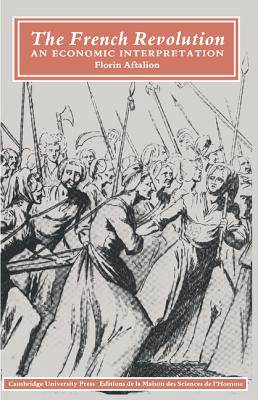
The economic history of revolutionary France is still a neglected area in studies of the revolution of 1789. While some attention has been given to the condition of the peasants, the urban working classes and the financial crisis of the Ancien Régime, there has been a general tendency to regard economic factors as external and somewhat peripheral to the truly political nature of the Revolution. This book is designed to redress the balance, providing a clear, accessible and thought-provoking guide to the economic background to the French Revolution. Professor Aftalion analyzes the policies followed by successive Revolutionary assemblies, examining in detail taxation, the confiscation of church property, the assignats, and the siege economy of the Terror. He shows how decisions taken in 1789 by the Constituent Assembly inevitably led to a deepening financial and economic crisis, and to increasingly radical and disastrous policies. The study is important also for its exposure of many of the economic fallacies propounded both by many Frenchmen at the time, and later by many modern historians.
Specificaties
Betrokkenen
- Auteur(s):
- Uitgeverij:
Inhoud
- Aantal bladzijden:
- 248
- Taal:
- Engels
Eigenschappen
- Productcode (EAN):
- 9780521368100
- Verschijningsdatum:
- 22/03/1990
- Uitvoering:
- Paperback
- Formaat:
- Trade paperback (VS)
- Afmetingen:
- 139 mm x 217 mm
- Gewicht:
- 303 g


Alleen bij Standaard Boekhandel
+ 155 punten op je klantenkaart van Standaard Boekhandel
Cadeau

AANGERADEN


Beoordelingen
We publiceren alleen reviews die voldoen aan de voorwaarden voor reviews. Bekijk onze voorwaarden voor reviews.