


- Afhalen na 1 uur in een winkel met voorraad
- Gratis thuislevering in België vanaf € 30
- Ruim aanbod met 7 miljoen producten
- Afhalen na 1 uur in een winkel met voorraad
- Gratis thuislevering in België vanaf € 30
- Ruim aanbod met 7 miljoen producten





€ 50,45
+ 100 punten
Uitvoering
Omschrijving
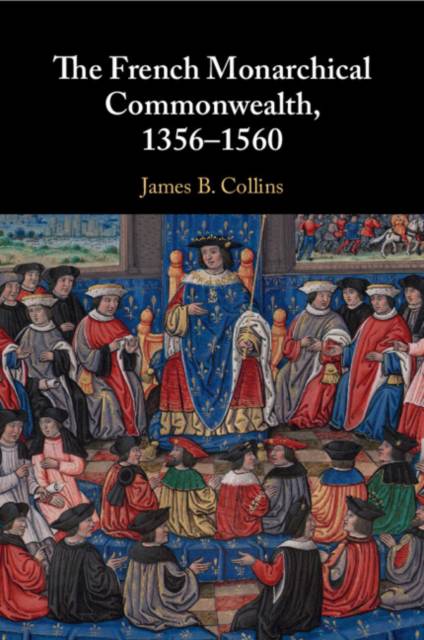
How does authority become power? How does power justify itself to achieve its ends? For over two hundred years, the Valois kings relied on a complex mixture of ideologies, ruling a monarchical commonwealth with a coherent theory of shared governance. Forged in the Hundred Years War, this commonwealth built on the defense of the public good (bien public) came undone both practically and theoretically during the Wars of Religion. Just as certain kings sought to expand the royal prerogative, so, too, elites fought to preserve their control over local government. Using town archives from more than twenty cities to complement traditional sources of political theory, The French Monarchical Commonwealth, 1356-1560 establishes the relationship between seemingly theoretical constructs, like the Salic Law, and the reality of everyday politics.
Specificaties
Betrokkenen
- Auteur(s):
- Uitgeverij:
Inhoud
- Aantal bladzijden:
- 320
- Taal:
- Engels
Eigenschappen
- Productcode (EAN):
- 9781108461283
- Verschijningsdatum:
- 23/05/2024
- Uitvoering:
- Paperback
- Formaat:
- Trade paperback (VS)
- Afmetingen:
- 152 mm x 229 mm
- Gewicht:
- 430 g


Alleen bij Standaard Boekhandel
+ 100 punten op je klantenkaart van Standaard Boekhandel

Beoordelingen
We publiceren alleen reviews die voldoen aan de voorwaarden voor reviews. Bekijk onze voorwaarden voor reviews.