


- Afhalen na 1 uur in een winkel met voorraad
- Gratis thuislevering in België vanaf € 30
- Ruim aanbod met 7 miljoen producten
- Afhalen na 1 uur in een winkel met voorraad
- Gratis thuislevering in België vanaf € 30
- Ruim aanbod met 7 miljoen producten





€ 100,95
+ 201 punten
Omschrijving
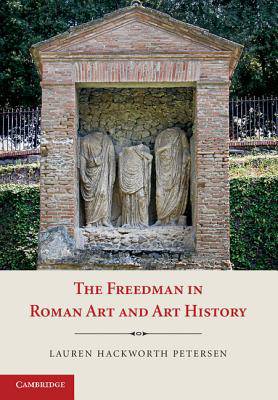
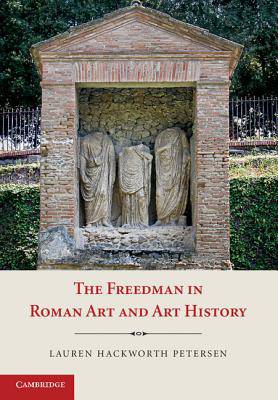
From monumental tombs and domestic decoration, to acts of benefaction and portraits of ancestors, Roman freed slaves, or freedmen, were prodigious patrons of art and architecture. Traditionally, however, the history of Roman art has been told primarily through the monumental remains of the emperors and ancient writers who worked in their circles. In this study, Lauren Petersen critically investigates the notion of 'freedman art' in scholarship, dependent as it is on elite-authored texts that are filled with hyperbole and stereotype of freedmen, such as the memorable fictional character Trimalchio, a boorish ex-slave in Petronius' Satyricon. She emphasizes integrated visual ensembles within defined historical and social contexts and aims to show how material culture can reflect preoccupations that were prevalent throughout Roman society. Interdisciplinary in scope, this book explores the many ways that monuments and artistic commissions by freedmen spoke to a much more complex reality than that presented in literature.
Specificaties
Betrokkenen
- Auteur(s):
- Uitgeverij:
Inhoud
- Aantal bladzijden:
- 312
- Taal:
- Engels
Eigenschappen
- Productcode (EAN):
- 9781107603592
- Verschijningsdatum:
- 19/09/2011
- Uitvoering:
- Paperback
- Formaat:
- Trade paperback (VS)
- Afmetingen:
- 175 mm x 251 mm
- Gewicht:
- 612 g


Alleen bij Standaard Boekhandel
+ 201 punten op je klantenkaart van Standaard Boekhandel
Cadeau

AANGERADEN


Beoordelingen
We publiceren alleen reviews die voldoen aan de voorwaarden voor reviews. Bekijk onze voorwaarden voor reviews.