


- Afhalen na 1 uur in een winkel met voorraad
- Gratis thuislevering in België vanaf € 30
- Ruim aanbod met 7 miljoen producten
- Afhalen na 1 uur in een winkel met voorraad
- Gratis thuislevering in België vanaf € 30
- Ruim aanbod met 7 miljoen producten





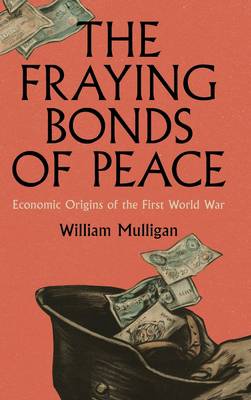
The Fraying Bonds of Peace
Economic Origins of the First World War
William Mulligan
Hardcover | Engels
€ 47,45
+ 94 punten
Omschrijving
What is the relationship between economic interdependence, war, and peace? William Mulligan addresses this key question in a major new account of international economic relations and the origins of the First World War. He shows how economic interdependence reshaped power politics in the late nineteenth and early twentieth centuries, channelling rivalries into trading and financial relations and constraining states from going to war. However, this reshaping of power relations created new asymmetries of power with winners and losers. And as the losers turned towards the use of military force to compensate for their weaknesses and vulnerabilities, they altered the logic of economic interdependence, which now came to serve the militarisation of European politics, rather than act as a constraint on war. This shift in the logic of economic interdependence was a key pre-condition for the outbreak of war in 1914.
Specificaties
Betrokkenen
- Auteur(s):
- Uitgeverij:
Inhoud
- Aantal bladzijden:
- 456
- Taal:
- Engels
Eigenschappen
- Productcode (EAN):
- 9781009602341
- Verschijningsdatum:
- 4/06/2026
- Uitvoering:
- Hardcover
- Formaat:
- Genaaid
- Afmetingen:
- 162 mm x 234 mm
- Gewicht:
- 784 g


Alleen bij Standaard Boekhandel
+ 94 punten op je klantenkaart van Standaard Boekhandel
Cadeau

AANGERADEN


Beoordelingen
We publiceren alleen reviews die voldoen aan de voorwaarden voor reviews. Bekijk onze voorwaarden voor reviews.