


- Afhalen na 1 uur in een winkel met voorraad
- Gratis thuislevering in België vanaf € 30
- Ruim aanbod met 7 miljoen producten
- Afhalen na 1 uur in een winkel met voorraad
- Gratis thuislevering in België vanaf € 30
- Ruim aanbod met 7 miljoen producten




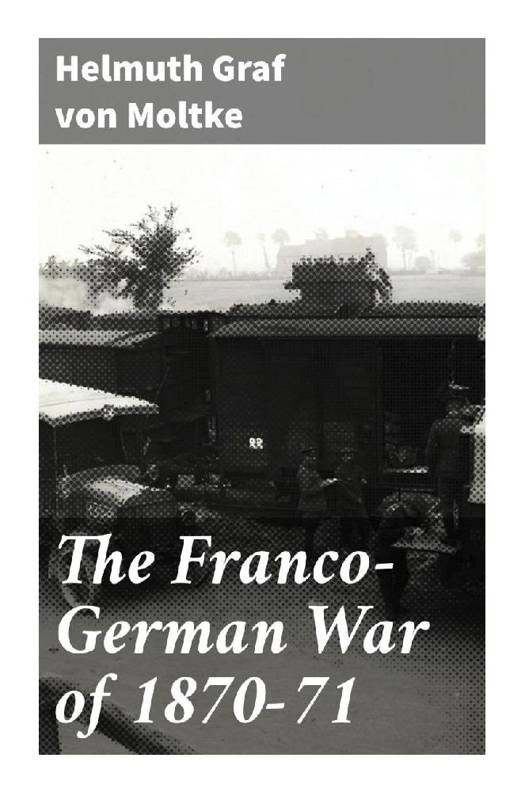
The Franco-German War of 1870-71
Prussian Strategy, Sedan, Paris, and the Campaign That Unified Germany
Helmuth, Graf von Moltke
Paperback | Engels
€ 17,95
+ 35 punten
Eenvoudig bestellen
Veilig betalen


Gratis thuislevering vanaf € 30 (via bpost)
Gratis levering in je Standaard Boekhandel
Omschrijving
The Franco-German War of 1870-71 offers a rigorous operational narrative of the conflict that shattered the Second Empire and enabled German unification. Moltke traces mobilization, rail deployment, encirclement, siege warfare, and decisive battles from Wissembourg and Sedan to Paris and the Loire, privileging clarity of movement over rhetorical flourish. Its style is austere, analytical, and staff-college precise, placing it among the foundational nineteenth-century works of modern military history, where campaign narrative becomes an argument about organization, speed, and command. As Prussia's Chief of the General Staff, Helmuth Graf von Moltke was not merely an observer but the principal architect of the war's strategic design. His long study of history, geography, communications, and contingency shaped a mind concerned less with heroic display than with disciplined preparation and adaptive execution. The book reflects both his authority and his institutional purpose: to explain victory as the product of system, judgment, and command structure. This volume is recommended to readers of military history, German history, and strategic studies. It rewards those seeking not battlefield romance, but a lucid account of how modern war was planned, fought, and interpreted by one of its decisive practitioners.
Specificaties
Betrokkenen
- Auteur(s):
- Vertaler(s):
- Uitgeverij:
Inhoud
- Taal:
- Engels
Eigenschappen
- Productcode (EAN):
- 9788027289745
- Uitvoering:
- Paperback
- Afmetingen:
- 152 mm x 229 mm
- Gewicht:
- 473 g


Alleen bij Standaard Boekhandel
+ 35 punten op je klantenkaart van Standaard Boekhandel
CADEAU

AANGERADEN


Beoordelingen
We publiceren alleen reviews die voldoen aan de voorwaarden voor reviews. Bekijk onze voorwaarden voor reviews.