


- Afhalen na 1 uur in een winkel met voorraad
- Gratis thuislevering in België vanaf € 30
- Ruim aanbod met 7 miljoen producten
- Afhalen na 1 uur in een winkel met voorraad
- Gratis thuislevering in België vanaf € 30
- Ruim aanbod met 7 miljoen producten





€ 162,45
+ 324 punten
Omschrijving
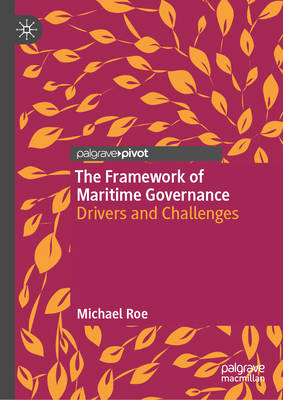
The neglect of maritime governance by governments, institutions and the industry itself has been nothing short of remarkable. For a sector that is characterised by widespread corruption, inefficiency and excessive environmental pollution, injury and death, the inadequacies of the current structure of control, policy and administration, which have persisted throughout its development over many years whilst increasingly recognised, has resulted in little progress or improvement. This book provides a detailed yet concise and succinct interpretation of what constitutes maritime governance and its significance for the success, operation and influence of the sector. The major drivers, their impact and how they inter-relate, are identified and the whole process is placed within the context of globalisation, a major factor within the shipping and ports industry. A framework for analysing maritime governance structures is put forward centred around jurisdiction, objectives, instruments and agencies. The issue of maritime governance is then examined from an international policy perspective and how this differs from domestic agendas. Conclusions are drawn on the future for maritime governance, how the current situation can be improved and the remaining problems considered. The book will be of great interest to scholars and students of maritime governance, as well as practitioners seeking a scholarly overview of the topic.
Specificaties
Betrokkenen
- Auteur(s):
- Uitgeverij:
Inhoud
- Aantal bladzijden:
- 93
- Taal:
- Engels
Eigenschappen
- Productcode (EAN):
- 9783032132888
- Verschijningsdatum:
- 20/01/2026
- Uitvoering:
- Hardcover
- Formaat:
- Genaaid
- Afmetingen:
- 142 mm x 196 mm
- Gewicht:
- 249 g


Alleen bij Standaard Boekhandel
+ 324 punten op je klantenkaart van Standaard Boekhandel
Cadeau

AANGERADEN


Beoordelingen
We publiceren alleen reviews die voldoen aan de voorwaarden voor reviews. Bekijk onze voorwaarden voor reviews.