


- Afhalen na 1 uur in een winkel met voorraad
- Gratis thuislevering in België vanaf € 30
- Ruim aanbod met 7 miljoen producten
- Afhalen na 1 uur in een winkel met voorraad
- Gratis thuislevering in België vanaf € 30
- Ruim aanbod met 7 miljoen producten





Omschrijving
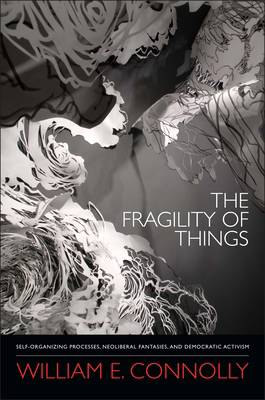
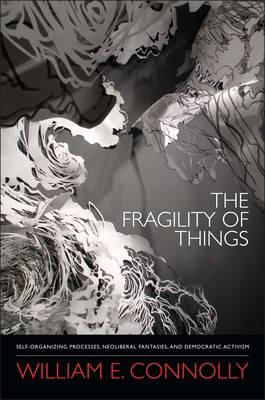
In The Fragility of Things, eminent theorist William E. Connolly focuses on several self-organizing ecologies that help to constitute our world. These interacting geological, biological, and climate systems, some of which harbor creative capacities, are depreciated by that brand of neoliberalism that confines self-organization to economic markets and equates the latter with impersonal rationality. Neoliberal practice thus fails to address the fragilities it exacerbates. Engaging a diverse range of thinkers, from Friedrich Hayek, Michel Foucault, Hesiod, and Immanuel Kant to Voltaire, Terrence Deacon, Friedrich Nietzsche, and Alfred North Whitehead, Connolly brings the sense of fragility alive as he rethinks the idea of freedom. Urging the Left not to abandon the state but to reclaim it, he also explores scales of politics below and beyond the state. The contemporary response to fragility requires a militant pluralist assemblage composed of those sharing affinities of spirituality across differences of creed, class, gender, sexual orientation, and ethnicity.
Specificaties
Betrokkenen
- Auteur(s):
- Uitgeverij:
Inhoud
- Aantal bladzijden:
- 256
- Taal:
- Engels
Eigenschappen
- Productcode (EAN):
- 9780822355700
- Verschijningsdatum:
- 2/09/2013
- Uitvoering:
- Hardcover
- Formaat:
- Genaaid
- Afmetingen:
- 157 mm x 234 mm
- Gewicht:
- 476 g


Alleen bij Standaard Boekhandel
+ 344 punten op je klantenkaart van Standaard Boekhandel
Cadeau

AANGERADEN


Beoordelingen
We publiceren alleen reviews die voldoen aan de voorwaarden voor reviews. Bekijk onze voorwaarden voor reviews.