


- Afhalen na 1 uur in een winkel met voorraad
- Gratis thuislevering in België vanaf € 30
- Ruim aanbod met 7 miljoen producten
- Afhalen na 1 uur in een winkel met voorraad
- Gratis thuislevering in België vanaf € 30
- Ruim aanbod met 7 miljoen producten





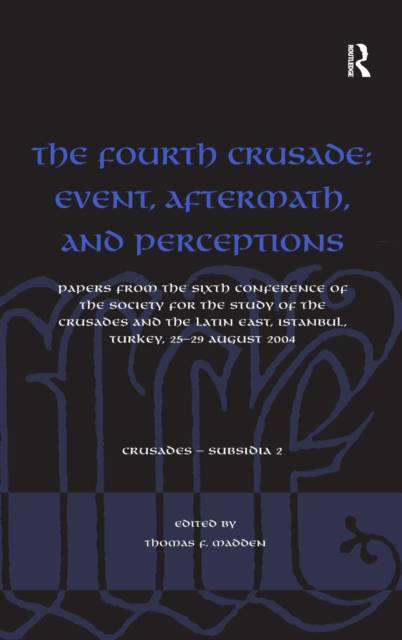
The Fourth Crusade: Event, Aftermath, and Perceptions
Papers from the Sixth Conference of the Society for the Study of the Crusades and the Latin East, Istanbul, Turkey, 25-29 August 2004
€ 320,95
+ 641 punten
Omschrijving
The Fourth Crusade (1201-1204), launched to restore Jerusalem to Christian control, veered widely off course, finally landing at Constantinople which it conquered and sacked. The effects of the crusade were far-reaching during the Middle Ages and remain powerful even today, which explains the continued vibrancy of its historiography. This volume, based on studies presented at the Sixth Conference of the Society for the Study of the Crusades and the Latin East in Istanbul, Turkey in 2004, represents some of the best new research on this subject. These essays help to place the Fourth Crusade within the larger context of medieval Mediterranean history as well as larger issues such as agency, accommodation, and memory that inform new aspects of modern historiography.
Specificaties
Betrokkenen
- Uitgeverij:
Inhoud
- Aantal bladzijden:
- 208
- Taal:
- Engels
- Reeks:
Eigenschappen
- Productcode (EAN):
- 9780754663195
- Verschijningsdatum:
- 19/08/2008
- Uitvoering:
- Hardcover
- Formaat:
- Genaaid
- Afmetingen:
- 156 mm x 234 mm
- Gewicht:
- 471 g

Alleen bij Standaard Boekhandel
+ 641 punten op je klantenkaart van Standaard Boekhandel
Cadeau

AANGERADEN


Beoordelingen
We publiceren alleen reviews die voldoen aan de voorwaarden voor reviews. Bekijk onze voorwaarden voor reviews.