


- Afhalen na 1 uur in een winkel met voorraad
- Gratis thuislevering in België vanaf € 30
- Ruim aanbod met 7 miljoen producten
- Afhalen na 1 uur in een winkel met voorraad
- Gratis thuislevering in België vanaf € 30
- Ruim aanbod met 7 miljoen producten





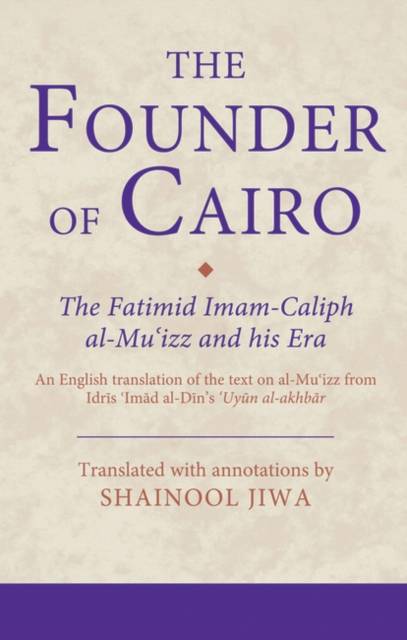
The Founder of Cairo
The Fatimid Imam-Caliph al-Mu'izz and his Era
€ 103,45
+ 206 punten
Omschrijving
The reign of the founder of Cairo, the fourth Fatimid Imam-caliph al-Mu'izz li-Din Allah (341-365/953-975), marks a watershed in the transformation of the Fatimid state from a regional North African dynasty to an expansive Mediterranean empire. It was also under al- Mu'izz that articulations of the supreme authority of the Fatimid Ismaili imamate were written and disseminated across various regions of Fatimid influence. The writings of Idris 'Imad al-Din (d. 872/1468) provide a distinctive presentation of the Fatimid imamate from the perspective of the Ismaili da'wa itself. as the chief d'ai of the Yemeni Tayyib Ismailis, Idris composed his monumental "Uyun al-akhbar wa funun al-athar' as a record of the Ismaili imamate from its inception to his own time. in doing so, Idris drew upon the rich repertoire of Ismaili and non-Ismaili sources that had been part of the corpus of the Fatimid literary tradition, many of which have subsequently been lost due to the vagaries of time and circumstance. As the only surviving medieval Ismaili work documenting the history of the Fatimid dynasty, the "Uy-un al-akhbar' is among its principal primary sources.
This book provides the first annotated English translation of the extensive chapter on al-Mu'izz in the "Uy-un', which remains a vital yet relatively unknown Ismaili source. The introduction to this work not only outlines the salient features of al-Mu'izz's reign but also examines Idris' purpose and approach to historical writing. In providing an insider's account of the reign of one of the most influential rulers of the medieval Muslim world, this work will be of particular interest to students of Ismaili history and thought, medieval Mediterranean history and Muslim historiography.
Specificaties
Betrokkenen
- Uitgeverij:
Inhoud
- Aantal bladzijden:
- 304
- Taal:
- Engels
- Reeks:
Eigenschappen
- Productcode (EAN):
- 9781780765280
- Verschijningsdatum:
- 30/07/2013
- Uitvoering:
- Hardcover
- Formaat:
- Genaaid
- Afmetingen:
- 145 mm x 211 mm
- Gewicht:
- 589 g


Alleen bij Standaard Boekhandel
+ 206 punten op je klantenkaart van Standaard Boekhandel
Cadeau

AANGERADEN


Beoordelingen
We publiceren alleen reviews die voldoen aan de voorwaarden voor reviews. Bekijk onze voorwaarden voor reviews.