


- Afhalen na 1 uur in een winkel met voorraad
- Gratis thuislevering in België vanaf € 30
- Ruim aanbod met 7 miljoen producten
- Afhalen na 1 uur in een winkel met voorraad
- Gratis thuislevering in België vanaf € 30
- Ruim aanbod met 7 miljoen producten





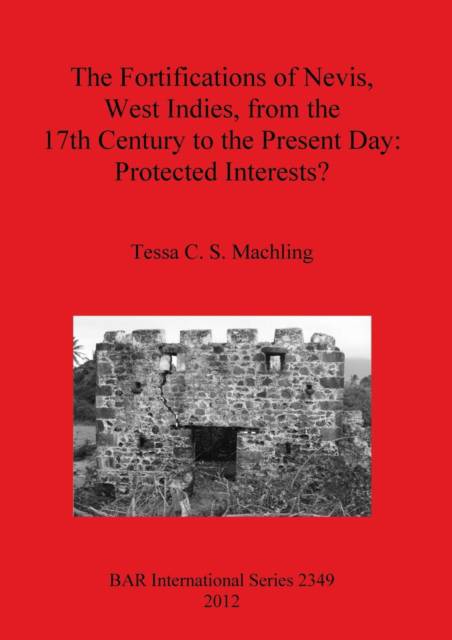
The Fortifications of Nevis, West Indies, from the 17th Century to the Present Day
Protected Interests?
Tessa C S Machling
€ 170,95
+ 341 punten
Omschrijving
This study examines the development and decline of the 17th and 18th century English/British fortifications of Nevis, West Indies. The forts were first built in the early 17th century and continued to be developed and added to, reaching their maximum strength in the later 17th/early 18th centuries. Ten of the forts have been located in the field, with at least four others identified as having been destroyed by development. Each fort has been catalogued, with plans, photographs and historical information given. In addition, the development of the forts has been placed within the framework of the progression of fortification strategy in Europe, the Caribbean, and in the wider colonial world. This study details the methodologies used to examine structures of this type, with special reference paid to the disciplines of historical and military archaeology. This research, in contrast to many other military studies, has also examined the lives of those associated with all aspects of colonial military life on Nevis, including soldiers, planters, slaves, servants, women and children. The aim of this analysis has been to place the forts within a broader socio-historical and archaeological narrative, referencing all aspects of Nevisian colonial society.
Specificaties
Betrokkenen
- Auteur(s):
- Uitgeverij:
Inhoud
- Aantal bladzijden:
- 306
- Taal:
- Engels
- Reeks:
- Reeksnummer:
- nr. 2349
Eigenschappen
- Productcode (EAN):
- 9781407309354
- Verschijningsdatum:
- 15/04/2012
- Uitvoering:
- Paperback
- Formaat:
- Trade paperback (VS)
- Afmetingen:
- 208 mm x 295 mm
- Gewicht:
- 879 g


Alleen bij Standaard Boekhandel
+ 341 punten op je klantenkaart van Standaard Boekhandel
Cadeau

AANGERADEN


Beoordelingen
We publiceren alleen reviews die voldoen aan de voorwaarden voor reviews. Bekijk onze voorwaarden voor reviews.