


- Afhalen na 1 uur in een winkel met voorraad
- Gratis thuislevering in België vanaf € 30
- Ruim aanbod met 7 miljoen producten
- Afhalen na 1 uur in een winkel met voorraad
- Gratis thuislevering in België vanaf € 30
- Ruim aanbod met 7 miljoen producten




€ 74,95
+ 149 punten
Omschrijving
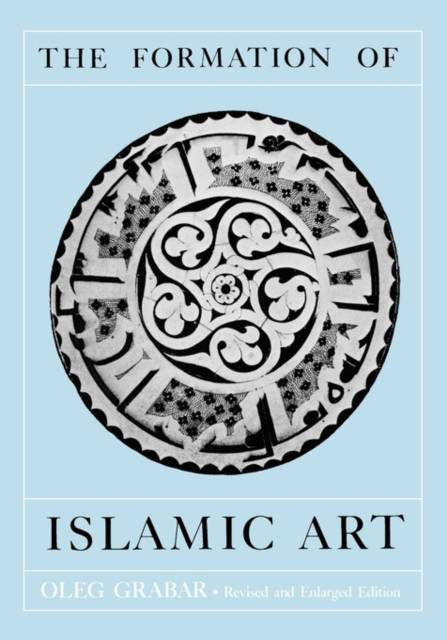
This classic work on the nature of early Islamic art has now been brought up to date in order to take into consideration material that has recently come to light. In a new chapter, Oleg Grabar develops alternate models for the formation of Islamic art, tightens its chronology, and discusses its implications for the contemporary art of the Muslim world. Reviews of the first edition: "Grabar examines the possible ramifications of sociological, economic, historical, psychological, ecological, and archaeological influences upon the art of Islam. . . [He] explains that Islamic art is woven from the threads of an Eastern, Oriental tradition and the hardy, surviving strands of Classical style, and [he] illustrates this web by means of a variety of convincing and well-chosen examples."-Art Bulletin "A book of absorbing interest and immense erudition. . . All Islamic archaeologists and scholars will thank Professor Grabar for a profound and original study of an immense and complex field, which may provoke controversy but must impress by its mastery and charm by its modesty."-Times Literary Supplement "Oleg Grabar, in this book of exceptional subtlety and taste, surveys and extends his own important contributions to the study of early Islamic art history and works out an original and imaginative approach to the elusive and complex problems of understanding Islamic art."-American Historical Review
Specificaties
Betrokkenen
- Auteur(s):
- Uitgeverij:
Inhoud
- Aantal bladzijden:
- 336
- Taal:
- Engels
Eigenschappen
- Productcode (EAN):
- 9780300040463
- Verschijningsdatum:
- 1/09/1987
- Uitvoering:
- Paperback
- Formaat:
- Trade paperback (VS)
- Afmetingen:
- 179 mm x 253 mm
- Gewicht:
- 680 g


Alleen bij Standaard Boekhandel
+ 149 punten op je klantenkaart van Standaard Boekhandel
CADEAU

AANGERADEN


Beoordelingen
We publiceren alleen reviews die voldoen aan de voorwaarden voor reviews. Bekijk onze voorwaarden voor reviews.