


- Afhalen na 1 uur in een winkel met voorraad
- Gratis thuislevering in België vanaf € 30
- Ruim aanbod met 7 miljoen producten
- Afhalen na 1 uur in een winkel met voorraad
- Gratis thuislevering in België vanaf € 30
- Ruim aanbod met 7 miljoen producten





€ 149,95
+ 299 punten
Omschrijving
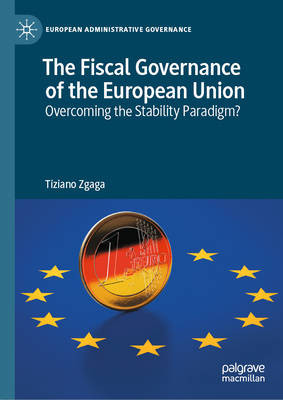
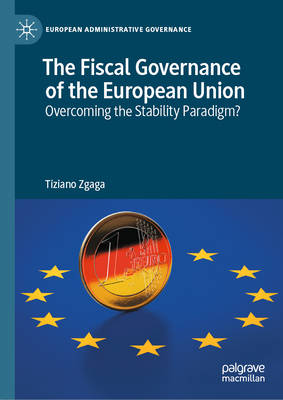
This book provides an in-depth analysis of the fiscal governance of the European Union (EU) from the Maastricht Treaty (1992) to the reform of the Stability and Growth Pact (2024) and the new wave of defence spending in Europe in 2025. It shows how and why the stability paradigm of Economic and Monetary Union has changed across three major crises--the euro crisis, the COVID-19 pandemic, and Russia's invasion of Ukraine--as a result of compromises between competing fiscal ideas, particularly those supported by Germany, France, and Italy. As the complex framework of fiscal rules has become increasingly flexible to allow greater spending at both the national and European level, the book examines the extent to which the original stability paradigm has been replaced by a new fiscal paradigm. It focuses on the drivers of key moments of fiscal change and reflects on their implications for the future of the EU. The book will appeal to scholars, practitioners, and students interested in EU fiscal integration in political science, public administration, and law.
Specificaties
Betrokkenen
- Auteur(s):
- Uitgeverij:
Inhoud
- Aantal bladzijden:
- 266
- Taal:
- Engels
- Reeks:
Eigenschappen
- Productcode (EAN):
- 9783032018694
- Verschijningsdatum:
- 03/01/2026
- Uitvoering:
- Hardcover
- Formaat:
- Genaaid
- Afmetingen:
- 160 mm x 214 mm
- Gewicht:
- 476 g


Alleen bij Standaard Boekhandel
+ 299 punten op je klantenkaart van Standaard Boekhandel
AANGERADEN


Beoordelingen
We publiceren alleen reviews die voldoen aan de voorwaarden voor reviews. Bekijk onze voorwaarden voor reviews.