


- Afhalen na 1 uur in een winkel met voorraad
- Gratis thuislevering in België vanaf € 30
- Ruim aanbod met 7 miljoen producten
- Afhalen na 1 uur in een winkel met voorraad
- Gratis thuislevering in België vanaf € 30
- Ruim aanbod met 7 miljoen producten





€ 108,45
+ 216 punten
Omschrijving
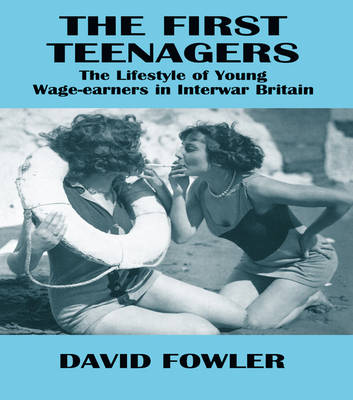
First Published in 1996. The first generation of British teenagers- young people eager to spend a significant proportion of their wages on consumer goods and services such as cosmetics, clothes, magazines, records, motorcycles, cinemas and dance halls- is generally regarded as that of the 1950s and 1960s. The same group, sociologists and economic and social historians have claimed, was the first to enjoy the autonomy in the labour market and to experience low unemployment. This study argues convincingly that in fact a teenage culture in modern sense already existed in the period between the two world wars. The book is grounded in extensive original research; on hitherto unexploited sources such as the records of the interwar Juvenile Employment Bureaux; on the records of youth movements ranging from the Boy Scouts to inner-city lads' and girls' clubs; on magazines aimed at youth, from millgirl magazines to specialist film, music and hobbies publications; and on contemporary social surveys, newspapers and oral history.
Specificaties
Betrokkenen
- Auteur(s):
- Uitgeverij:
Inhoud
- Aantal bladzijden:
- 222
- Taal:
- Engels
- Reeks:
Eigenschappen
- Productcode (EAN):
- 9780713040180
- Verschijningsdatum:
- 31/07/1996
- Uitvoering:
- Paperback
- Formaat:
- Trade paperback (VS)
- Afmetingen:
- 156 mm x 234 mm
- Gewicht:
- 317 g



Alleen bij Standaard Boekhandel
+ 216 punten op je klantenkaart van Standaard Boekhandel
Cadeau

AANGERADEN


Beoordelingen
We publiceren alleen reviews die voldoen aan de voorwaarden voor reviews. Bekijk onze voorwaarden voor reviews.