


- Afhalen na 1 uur in een winkel met voorraad
- Gratis thuislevering in België vanaf € 30
- Ruim aanbod met 7 miljoen producten
- Afhalen na 1 uur in een winkel met voorraad
- Gratis thuislevering in België vanaf € 30
- Ruim aanbod met 7 miljoen producten





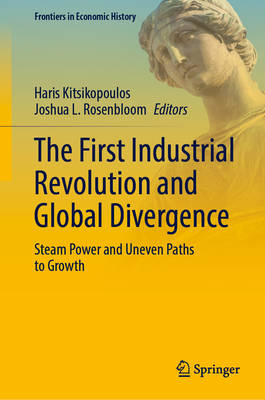
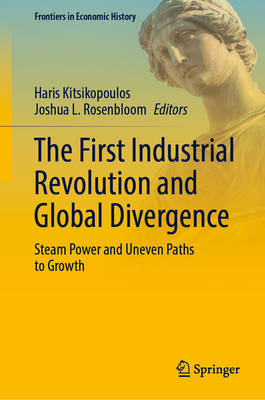
The First Industrial Revolution and Global Divergence
Steam Power and Uneven Paths to Growth
€ 194,95
+ 389 punten
Omschrijving
This book sheds new light on one of the most debated questions in economic history: Why did Britain lead the way in the First Industrial Revolution? It does so by examining Britain's technological breakthroughs, especially steam power, in a global comparative context. From the early modern period to the beginning of the 20th century, the book explores how Britain pioneered the first general-purpose technology of the modern era and how it spread to five other economies: Italy, the Dutch Republic, China, the United States, and Belgium. Using various methodological approaches, the authors trace delays and distinctive national trajectories in adopting British innovations. The result is a nuanced picture of technological invention, energy transitions, and the institutional factors that shaped industrialization across regions. This book will appeal to scholars, researchers, and students interested in the little and Great Divergence debates, technological change, and the global history of industrialization.
Specificaties
Betrokkenen
- Uitgeverij:
Inhoud
- Aantal bladzijden:
- 352
- Taal:
- Engels
- Reeks:
Eigenschappen
- Productcode (EAN):
- 9783032263582
- Verschijningsdatum:
- 08/08/2026
- Uitvoering:
- Hardcover
- Formaat:
- Genaaid
- Afmetingen:
- 155 mm x 235 mm

Alleen bij Standaard Boekhandel
+ 389 punten op je klantenkaart van Standaard Boekhandel
CADEAU

AANGERADEN


Beoordelingen
We publiceren alleen reviews die voldoen aan de voorwaarden voor reviews. Bekijk onze voorwaarden voor reviews.