


- Afhalen na 1 uur in een winkel met voorraad
- Gratis thuislevering in België vanaf € 30
- Ruim aanbod met 7 miljoen producten
- Afhalen na 1 uur in een winkel met voorraad
- Gratis thuislevering in België vanaf € 30
- Ruim aanbod met 7 miljoen producten





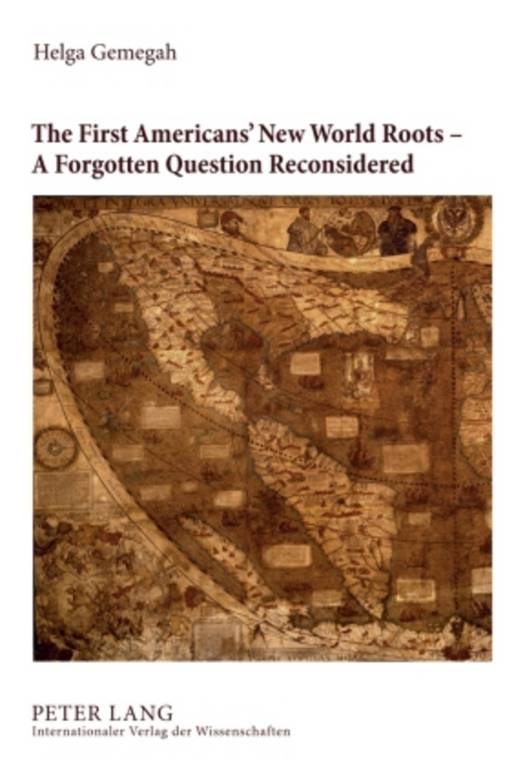
The First Americans' New World Roots - A Forgotten Question Reconsidered
Critical Review of the Development, Reception and Impact of Origin Concepts
Helga Gemegah
Hardcover | Engels
€ 73,45
+ 146 punten
Omschrijving
The question about the first Americans' New World roots is seldom given attention, although there have been approaches to finding answers. These initiatives were neglected due to the dominance of ideas of external origins. In 1493 all lands west of the Azores were declared Spanish possessions according to the Bula Intercaetera. When on fictitious maps and in the literature of the 16th century America was described as identical to or as part of Asia, connected by huge fictitious land connections, both Asia and America were considered Spanish territories. Such conjectures furthermore served to explain the presence of mankind on the American continent, which had not been mentioned in the Bible. These misleading concepts, however, made many believe that the inhabitants of the Americas were Asians and that they had brought their languages and cultures from Asia. The strong impact of these ideas led to the exclusion of the concept of the New World roots from the questionnaire of the research into the peopling of the Americas. Therefore a closer look into the development, reception and impact of fictitious ideas of origin and into the forgotten aspect of an autochthonous origin of the first Americans is presented here.
Specificaties
Betrokkenen
- Auteur(s):
- Uitgeverij:
Inhoud
- Aantal bladzijden:
- 212
- Taal:
- Engels
Eigenschappen
- Productcode (EAN):
- 9783631588833
- Verschijningsdatum:
- 8/09/2009
- Uitvoering:
- Hardcover
- Formaat:
- Genaaid
- Afmetingen:
- 148 mm x 210 mm
- Gewicht:
- 439 g



Alleen bij Standaard Boekhandel
+ 146 punten op je klantenkaart van Standaard Boekhandel
Cadeau

AANGERADEN


Beoordelingen
We publiceren alleen reviews die voldoen aan de voorwaarden voor reviews. Bekijk onze voorwaarden voor reviews.