


- Afhalen na 1 uur in een winkel met voorraad
- Gratis thuislevering in België vanaf € 30
- Ruim aanbod met 7 miljoen producten
- Afhalen na 1 uur in een winkel met voorraad
- Gratis thuislevering in België vanaf € 30
- Ruim aanbod met 7 miljoen producten





€ 72,95
+ 145 punten
Omschrijving
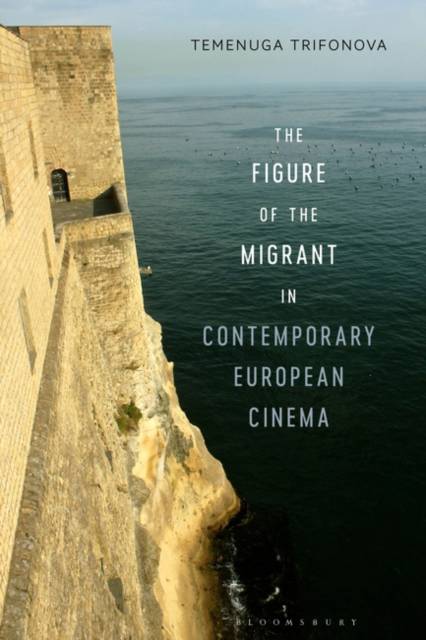
The Figure of the Migrant in Contemporary European Cinema explores contemporary debates around the concepts of 'Europe' and 'European identity' through an examination of recent European films dealing with various aspects of globalization (the refugee crisis, labour migration, the resurgence of nationalism and ethnic violence, neoliberalism, post-colonialism) with a particular attention to the figure of the migrant and the ways in which this figure challenges us to rethink Europe and its core Enlightenment values (citizenship, justice, ethics, liberty, tolerance, and hospitality) in a post-national context of ephemerality, volatility, and contingency that finds people desperately looking for firmer markers of identity. The book argues that a compelling case can be made for re-orienting the study of contemporary European cinema around the figure of the migrant viewed both as a symbolic figure (representing post-national citizenship, urbanization, the 'gap' between ethics and justice) and as a figure occupying an increasingly central place in European cinema in general rather than only in what is usually called 'migrant and diasporic cinema'. By drawing attention to the structural and affective affinities between the experience of migrants and non-migrants, Europeans and non-Europeans, Trifonova shows that it is becoming increasingly difficult to separate stories about migration from stories about life under neoliberalism in general
Specificaties
Betrokkenen
- Auteur(s):
- Uitgeverij:
Inhoud
- Aantal bladzijden:
- 288
- Taal:
- Engels
Eigenschappen
- Productcode (EAN):
- 9781501392962
- Verschijningsdatum:
- 24/02/2022
- Uitvoering:
- Paperback
- Formaat:
- Trade paperback (VS)
- Afmetingen:
- 152 mm x 229 mm
- Gewicht:
- 390 g



Alleen bij Standaard Boekhandel
+ 145 punten op je klantenkaart van Standaard Boekhandel
Cadeau

AANGERADEN


Beoordelingen
We publiceren alleen reviews die voldoen aan de voorwaarden voor reviews. Bekijk onze voorwaarden voor reviews.