



Je cadeautjes zeker op tijd in huis hebben voor de feestdagen? Kom langs in onze winkels en vind het perfecte geschenk!
- Afhalen na 1 uur in een winkel met voorraad
- Gratis thuislevering in België vanaf € 30
- Ruim aanbod met 7 miljoen producten
Je cadeautjes zeker op tijd in huis hebben voor de feestdagen? Kom langs in onze winkels en vind het perfecte geschenk!
- Afhalen na 1 uur in een winkel met voorraad
- Gratis thuislevering in België vanaf € 30
- Ruim aanbod met 7 miljoen producten





€ 93,45
+ 186 punten
Omschrijving
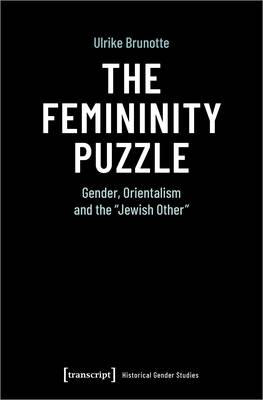
In the Hobsbawmian long 19th century, gender and processes of sexualization and feminization have been crucial in the construction of the »Jewish Other«. Ulrike Brunotte explores how these processes came about by addressing imaginative, aesthetic, and epistemological questions. She analyzes how literature, psychoanalysis and the performing arts traverse and react to the ambivalence of racialized stereotypes. The »femininity puzzle« presents itself in two ways: first in the role of effeminization of the male Jew in antisemitic discourse, and then in the transgressive forms of femininity connected to Jewish women, especially the allosemitic orientalization in the figure of the »Beautiful Jewess«.
Specificaties
Betrokkenen
- Auteur(s):
- Uitgeverij:
Inhoud
- Aantal bladzijden:
- 236
- Taal:
- Engels
- Reeks:
- Reeksnummer:
- nr. 6
Eigenschappen
- Productcode (EAN):
- 9783837658217
- Verschijningsdatum:
- 1/11/2022
- Uitvoering:
- Paperback
- Formaat:
- Trade paperback (VS)
- Afmetingen:
- 152 mm x 229 mm
- Gewicht:
- 322 g


Alleen bij Standaard Boekhandel
+ 186 punten op je klantenkaart van Standaard Boekhandel
CADEAU


Beoordelingen
We publiceren alleen reviews die voldoen aan de voorwaarden voor reviews. Bekijk onze voorwaarden voor reviews.