


- Afhalen na 1 uur in een winkel met voorraad
- Gratis thuislevering in België vanaf € 30
- Ruim aanbod met 7 miljoen producten
- Afhalen na 1 uur in een winkel met voorraad
- Gratis thuislevering in België vanaf € 30
- Ruim aanbod met 7 miljoen producten





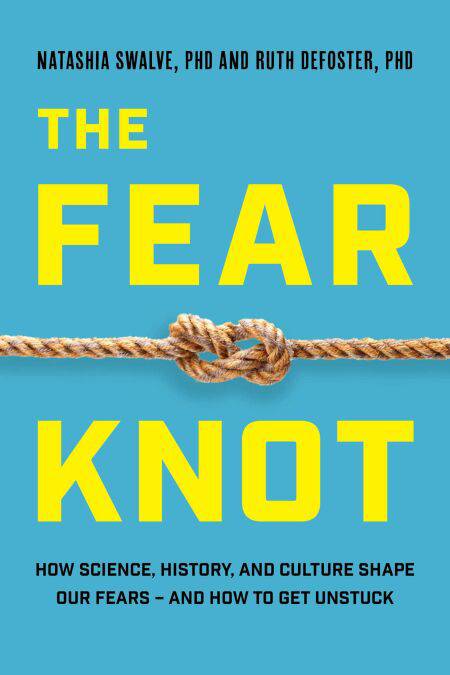
The Fear Knot E-BOOK
How Science, History, and Culture Shape Our Fears – and How to Get Unstuck
Natashia Swalve, Ruth DeFoster
E-book | Engels
€ 22,36
+ 22 punten
Uitvoering
Omschrijving
Why do we fear Halloween candy but not vending machines? Why do “witch hunts” recur so often in history? How dangerous are serial killers, really?
The Fear Knot examines our most common deeply held fears, unpacking which are valid and which are misguided, explaining the history of how our irrational fears developed, and how we can unlearn them. We live in a world seemingly rife with danger, a villainous stranger or new deadly bacteria lurking around every corner. So how do we sort through these fears, determining which are well-founded and which have been manufactured? How can our biases and psychology allow these fears to overtake us, and how can we learn to think logically in a world driven by sensationalism?
In this lively and timely tour, psychologist Natashia Swalve and journalism professor Ruth DeFoster lead readers through the history and psychology behind our most visible and sensational cultural fears, beginning with the most personal—fear within our bodies—and moving outward to the home, our country, and finally to our broadest society-level fears. From micro fears, like how our fear of vaccines has led to measles epidemics, to the broad existential dread associated with climate change and gun violence, The Fear Knot examines the toll our fears take on us, on an individual and societal level. Exploring how shared culture, media consumption, and even our own brain can help drive incorrect beliefs about risk, Swalve and DeFoster help readers to make informed, evidence-based decisions about fear and risk— and along the way, to learn how to think critically, examine your own beliefs, and become confident consumers of media and popular culture.
Combining psychology and journalism in short, light-hearted chapters, The Fear Knot gives readers a fresh look at Americans’ perceptions of risk and danger, with an emphasis on how to recognize misinformation or biases, updated to include the most recent fears that Americans face in the 21st century— and the real dangers that we may be ignoring.
The Fear Knot examines our most common deeply held fears, unpacking which are valid and which are misguided, explaining the history of how our irrational fears developed, and how we can unlearn them. We live in a world seemingly rife with danger, a villainous stranger or new deadly bacteria lurking around every corner. So how do we sort through these fears, determining which are well-founded and which have been manufactured? How can our biases and psychology allow these fears to overtake us, and how can we learn to think logically in a world driven by sensationalism?
In this lively and timely tour, psychologist Natashia Swalve and journalism professor Ruth DeFoster lead readers through the history and psychology behind our most visible and sensational cultural fears, beginning with the most personal—fear within our bodies—and moving outward to the home, our country, and finally to our broadest society-level fears. From micro fears, like how our fear of vaccines has led to measles epidemics, to the broad existential dread associated with climate change and gun violence, The Fear Knot examines the toll our fears take on us, on an individual and societal level. Exploring how shared culture, media consumption, and even our own brain can help drive incorrect beliefs about risk, Swalve and DeFoster help readers to make informed, evidence-based decisions about fear and risk— and along the way, to learn how to think critically, examine your own beliefs, and become confident consumers of media and popular culture.
Combining psychology and journalism in short, light-hearted chapters, The Fear Knot gives readers a fresh look at Americans’ perceptions of risk and danger, with an emphasis on how to recognize misinformation or biases, updated to include the most recent fears that Americans face in the 21st century— and the real dangers that we may be ignoring.
Specificaties
Betrokkenen
- Auteur(s):
- Uitgeverij:
Inhoud
- Aantal bladzijden:
- 352
- Taal:
- Engels
Eigenschappen
- Productcode (EAN):
- 9781493085606
- Verschijningsdatum:
- 20/10/2025
- Uitvoering:
- E-book
- Beveiligd met:
- Adobe DRM
- Formaat:
- ePub


Alleen bij Standaard Boekhandel
+ 22 punten op je klantenkaart van Standaard Boekhandel
Cadeau

AANGERADEN


Beoordelingen
We publiceren alleen reviews die voldoen aan de voorwaarden voor reviews. Bekijk onze voorwaarden voor reviews.