


- Afhalen na 1 uur in een winkel met voorraad
- Gratis thuislevering in België vanaf € 30
- Ruim aanbod met 7 miljoen producten
- Afhalen na 1 uur in een winkel met voorraad
- Gratis thuislevering in België vanaf € 30
- Ruim aanbod met 7 miljoen producten





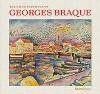
The Fauve Paintings of Georges Braque
A Joyful Revelation
Kenneth Wayne, Brigitte Léal
Hardcover | Engels
€ 55,00
+ 110 punten
Eenvoudig bestellen
Veilig betalen


Gratis thuislevering vanaf € 30 (via bpost)
Gratis levering in je Standaard Boekhandel
Omschrijving
The first publication and exhibition devoted to Georges Braque’s Fauve period, a significant and largely unknown body of work from one of the twentieth century’s most celebrated painters. The outstanding Fauvist achievements of Georges Braque (1882–1963) appear as a revelation in The Fauve Paintings of Georges Braque, the first book devoted to this important period of the artist’s oeuvre. Before founding Cubism with Pablo Picasso, Braque spent his intensely productive early career allied with Henri Matisse. While Braque’s contributions to Cubism are well chronicled, it was previously assumed that he created only a few Fauvist paintings. This volume draws on new research to reveal that he painted more than eighty brilliantly colored works in the Fauvist style, addressing this significant omission from Braque’s catalogue raisonné. From 1906–07, Braque traveled between Antwerp, Paris, La Ciotat, and L’Estaque, painting Fauvist landscapes, harbor scenes, urban vistas, nudes, and still lifes. This unprecedented publication—which reproduces a full range of works from this period—investigates the significance of Braque’s choice of places to work and examines his relationship with other Fauve artists in his circle, including André Derain, Othon Friesz, and Henri Matisse, in essays by scholars Kenneth Wayne and Brigitte Léal. An important contribution to the field, The Fauve Paintings of Georges Braque outlines a new understanding of this pivotal moment in modern art.
Specificaties
Betrokkenen
- Auteur(s):
- Uitgeverij:
Inhoud
- Aantal bladzijden:
- 176
- Taal:
- Engels
Eigenschappen
- Productcode (EAN):
- 9780847849536
- Verschijningsdatum:
- 30/10/2016
- Uitvoering:
- Hardcover
- Afmetingen:
- 276 mm x 263 mm


Alleen bij Standaard Boekhandel
+ 110 punten op je klantenkaart van Standaard Boekhandel
CADEAU

AANGERADEN


Beoordelingen
We publiceren alleen reviews die voldoen aan de voorwaarden voor reviews. Bekijk onze voorwaarden voor reviews.