


- Afhalen na 1 uur in een winkel met voorraad
- Gratis thuislevering in België vanaf € 30
- Ruim aanbod met 7 miljoen producten
- Afhalen na 1 uur in een winkel met voorraad
- Gratis thuislevering in België vanaf € 30
- Ruim aanbod met 7 miljoen producten





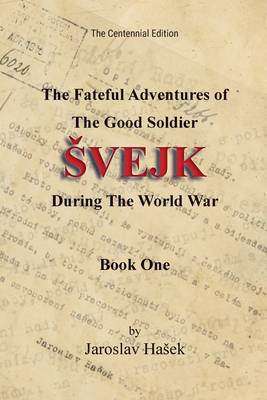
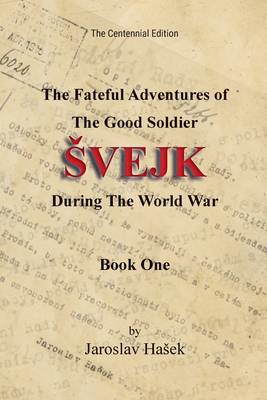
The Fateful Adventures of the Good Soldier Svejk During the World War
The Centennial Edition - Book One
Jaroslav Hasek
Paperback | Engels
€ 27,95
+ 55 punten
Uitvoering
Omschrijving
The Fateful Adventures of the Good Soldier Svejk During the World War is a landmark work of twentieth-century European fiction and one of the defining novels of the First World War.Set in the opening months of the conflict, Book One follows Josef Svejk, a Prague dog dealer conscripted into the Austro-Hungarian army, as he moves through a world of military offices, police stations, hospitals, churches, and barracks. Rather than focusing on combat, the novel unfolds in the administrative and civilian hinterland of war, where orders circulate endlessly, procedures multiply, and authority is exercised through language as much as through force.Jaroslav Hasek's narrative advances episodically, through encounters with officers, clerks, priests, doctors, informers, and fellow soldiers. In these scenes, ordinary routines, medical examinations, interrogations, religious instruction, and transport arrangements-become sites of confusion and contradiction. Svejk navigates this environment with a distinctive literalness and verbal ingenuity that exposes the self-defeating logic of the systems surrounding him.This Centennial Edition presents a new English translation that preserves the structure, register, and tonal shifts of Hasek's original Czech. Book One establishes the social, bureaucratic, and linguistic landscape through which the subsequent volumes will move.First published in the early 1920s, The Good Soldier Svejk remains a foundational work of literary satire, offering a detailed portrait of institutional life under the pressures of mobilization and authority. A century after its appearance, it continues to challenge readers with its formal originality, precision of observation, and enduring relevance.
The Centennial Edition includes extensive analytical apparatus, among it
Frantisek Josef and the Grammar of Czech Subjecthood in Hasek's Opening Line and Svejk on Trial: Rethinking Hasek's Novel as a Pendulum of Prosecution and Defense.
An additional companion essay, Svejkardom: Recognition, Survival, and the Grammar of a World, extends this interpretive framework online at svejkcentral.com/Analyses.
Together these translator-authored texts examine how Czech morphosyntax, procedural language, and the experiential concept svejkárna (svejkardom) shape contemporary readings of Hasek's novel.Specificaties
Betrokkenen
- Auteur(s):
- Vertaler(s):
- Uitgeverij:
Inhoud
- Aantal bladzijden:
- 374
- Taal:
- Engels
Eigenschappen
- Productcode (EAN):
- 9798994308417
- Verschijningsdatum:
- 14/02/2026
- Uitvoering:
- Paperback
- Formaat:
- Trade paperback (VS)
- Afmetingen:
- 152 mm x 229 mm
- Gewicht:
- 498 g


Alleen bij Standaard Boekhandel
+ 55 punten op je klantenkaart van Standaard Boekhandel
AANGERADEN


Beoordelingen
We publiceren alleen reviews die voldoen aan de voorwaarden voor reviews. Bekijk onze voorwaarden voor reviews.