


- Afhalen na 1 uur in een winkel met voorraad
- Gratis thuislevering in België vanaf € 30
- Ruim aanbod met 7 miljoen producten
- Afhalen na 1 uur in een winkel met voorraad
- Gratis thuislevering in België vanaf € 30
- Ruim aanbod met 7 miljoen producten





The Fate of Rural Hell
Asceticism and Desire in Buddhist Thailand
Benedict Anderson
Hardcover | Engels
€ 14,95
+ 29 punten
Omschrijving
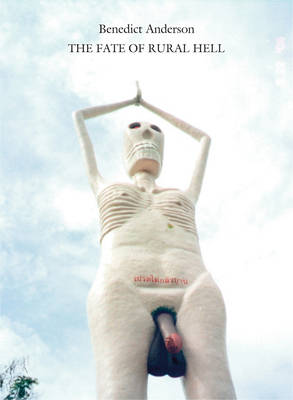
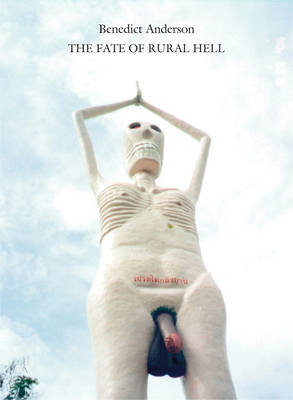
In 1975, when political scientist Benedict Anderson reached Wat Phai Rong Wua, a massive temple complex in rural Thailand conceived by Buddhist monk Luang Phor Khom, he felt he had wandered into a demented Disneyland. One of the world's most bizarre tourist attractions, Wat Phai Rong Wua was designed as a cautionary museum of sorts; its gruesome statues depict violent and torturous scenes that showcase what hell may be like. Over the next few decades, Anderson, who is best known for his work, Imagined Communities, found himself transfixed by this unusual amalgamation of objects, returning several times to see attractions like the largest metal-cast Buddha figure in the world and the Palace of a Hundred Spires. The concrete statuaries and perverse art in Luang Phor's personal museum of hell included, "side by side, an upright human skeleton in a glass cabinet and a life-size replica of Michelangelo's gigantic nude David, wearing fashionable red underpants from the top of which poked part of a swollen, un-Florentine penis," alongside dozens of statues of evildoers being ferociously punished in their afterlife. In The Fate of Rural Hell, Anderson unravels the intrigue of this strange setting, endeavoring to discover what compels so many Thai visitors to travel to this popular spectacle and what order, if any, inspired its creation. At the same time, he notes in Wat Phai Rong Wua the unexpected effects of the gradual advance of capitalism into the far reaches of rural Asia. Both a one-of-a-kind travelogue and a penetrating look at the community that sustains it, The Fate of Rural Hell is sure to intrigue and inspire conversation as much as Wat Phai Rong Wua itself.
Specificaties
Betrokkenen
- Auteur(s):
- Uitgeverij:
Inhoud
- Aantal bladzijden:
- 99
- Taal:
- Engels
Eigenschappen
- Productcode (EAN):
- 9780857420275
- Verschijningsdatum:
- 15/06/2012
- Uitvoering:
- Hardcover
- Formaat:
- Genaaid
- Afmetingen:
- 147 mm x 203 mm
- Gewicht:
- 317 g


Alleen bij Standaard Boekhandel
+ 29 punten op je klantenkaart van Standaard Boekhandel
Cadeau

AANGERADEN


Beoordelingen
We publiceren alleen reviews die voldoen aan de voorwaarden voor reviews. Bekijk onze voorwaarden voor reviews.