Standaard Boekhandel gebruikt cookies en gelijkaardige technologieën om de website goed te laten werken en je een betere surfervaring te bezorgen.
Hieronder kan je kiezen welke cookies je wilt inschakelen:
Technische en functionele cookies
Deze cookies zijn essentieel om de website goed te laten functioneren, en laten je toe om bijvoorbeeld in te loggen. Je kan deze cookies niet uitschakelen.
Analytische cookies
Deze cookies verzamelen anonieme informatie over het gebruik van onze website. Op die manier kunnen we de website beter afstemmen op de behoeften van de gebruikers.
Marketingcookies
Deze cookies delen je gedrag op onze website met externe partijen, zodat je op externe platformen relevantere advertenties van Standaard Boekhandel te zien krijgt.
Je cadeautjes zeker op tijd in huis hebben voor de feestdagen? Kom langs in onze winkels en vind het perfecte geschenk!
Afhalen na 1 uur in een winkel met voorraad
Gratis thuislevering in België vanaf € 30
Ruim aanbod met 7 miljoen producten
Je cadeautjes zeker op tijd in huis hebben voor de feestdagen? Kom langs in onze winkels en vind het perfecte geschenk!
Je kan maximaal 250 producten tegelijk aan je winkelmandje toevoegen. Verwijdere enkele producten uit je winkelmandje, of splits je bestelling op in meerdere bestellingen.
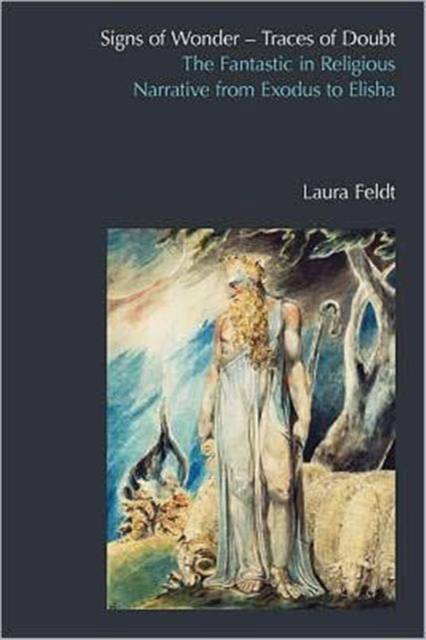
The Fantastic in Religious Narrative from Exodus to Elisha argues that perspectives drawn from literary-critical theories of the fantastic and fantasy are apt to explore Hebrew Bible religious narratives. The book focuses on the narratives' marvels, monsters, and magic, rather than whether or not the stories depict historical events. The Exodus narrative (Ex 1-18) and a selection of additional Hebrew Bible narratives (Num 11-14, Judg 6-8, 1 Kings 17-19, 2 Kings 4-7) are analysed from a fantasy-theoretical perspective. The 'fantasy perspective' helps to make sense of elements of these narratives that - although prominently featured in the stories - have previously often been explained by being explained away. These case studies can illuminate Hebrew Bible religion and offer wider perspectives on religious narrative generally. In light of the fantasy-theoretical approach, these Hebrew Bible stories - with the Exodus narrative at the centre - read not as foundational stories, affirming triumphantly and unambiguously the bond between the deity, his people, and their territory, but rather as texts that harbour and even actively encourage ambiguity and uncertainty, not necessarily prompting belief, orientation, and a sense of meaningfulness, but also open-ended reflection and doubt. The case studies suggest that other religious narratives, both in and beyond the Judaic tradition, may also be amenable to interpretation in these terms, thus questioning a dominant trend in myth studies. The results of the analyses lead to a discussion of the role of ambiguity, uncertainty, and transformation in religious narrative in broader perspective, and to a questioning of the emphasis in the study of religion on the capacity of religious narrative for founding and maintaining institutions, orienting identity, and defending order over disorder. The book suggests the wider importance of incorporating destabilisation, disorientation, and ambiguity more strongly into theories of what religious narrative is and does.