


- Afhalen na 1 uur in een winkel met voorraad
- Gratis thuislevering in België vanaf € 30
- Ruim aanbod met 7 miljoen producten
- Afhalen na 1 uur in een winkel met voorraad
- Gratis thuislevering in België vanaf € 30
- Ruim aanbod met 7 miljoen producten





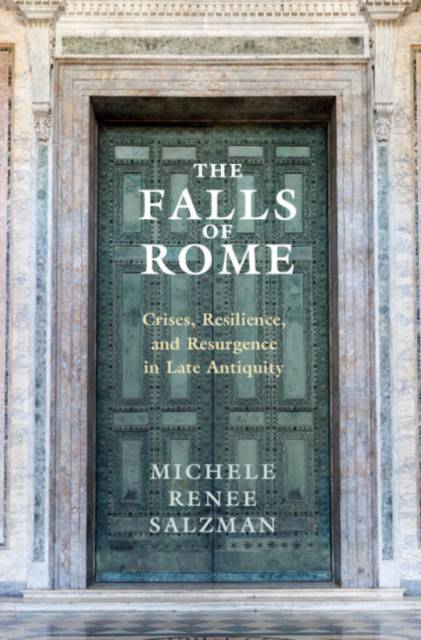
The Falls of Rome
Crises, Resilience, and Resurgence in Late Antiquity
Michele Renee Salzman
Hardcover | Engels
€ 69,45
+ 138 punten
Omschrijving
Over the course of the fourth through seventh centuries, Rome witnessed a succession of five significant political and military crises, including the Sack of Rome, the Vandal occupation, and the demise of the Senate. Historians have traditionally considered these crises as defining events, and thus critical to our understanding of the 'decline and fall of Rome.' In this volume, Michele Renee Salzman offers a fresh interpretation of the tumultuous events that occurred in Rome during Late Antiquity. Focusing on the resilience of successive generations of Roman men and women and their ability to reconstitute their city and society, Salzman demonstrates the central role that senatorial aristocracy played, and the limited influence of the papacy during this period. Her provocative study provides a new explanation for the longevity of Rome and its ability, not merely to survive, but even to thrive over the last three centuries of the Western Roman Empire.
Specificaties
Betrokkenen
- Auteur(s):
- Uitgeverij:
Inhoud
- Aantal bladzijden:
- 462
- Taal:
- Engels
Eigenschappen
- Productcode (EAN):
- 9781107111424
- Verschijningsdatum:
- 9/09/2021
- Uitvoering:
- Hardcover
- Formaat:
- Genaaid
- Afmetingen:
- 203 mm x 234 mm
- Gewicht:
- 771 g


Alleen bij Standaard Boekhandel
+ 138 punten op je klantenkaart van Standaard Boekhandel

Beoordelingen
We publiceren alleen reviews die voldoen aan de voorwaarden voor reviews. Bekijk onze voorwaarden voor reviews.