


- Afhalen na 1 uur in een winkel met voorraad
- Gratis thuislevering in België vanaf € 30
- Ruim aanbod met 7 miljoen producten
- Afhalen na 1 uur in een winkel met voorraad
- Gratis thuislevering in België vanaf € 30
- Ruim aanbod met 7 miljoen producten




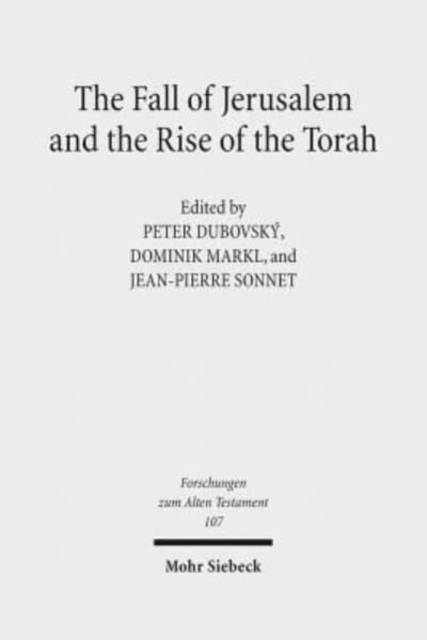
The Fall of Jerusalem and the Rise of the Torah
€ 132,95
+ 265 punten
Omschrijving
The destruction of Jerusalem by the Babylonians in 587 BCE is arguably the most tremendous disaster in the Hebrew Bible. How this decisive date relates to the development of the Pentateuch, however, is highly controversial. Is the trauma of Jerusalem reflected in the five books of Moses? This question is addressed from multiple perspectives in this volume. Israel Finkelstein and Lester L. Grabbe discuss the archaeological and historical data. Experts in Pentateuchal criticism from diverse international backgrounds present a rich panorama of relevant themes, including biblical historiography, contacts with Mesopotamian culture before and during the Babylonian exile, and the issue of cultic discontinuity caused by the destruction and restoration of Jerusalem's temple. Contributors: Angelika Berlejung, Peter Dubovsky, Israel Finkelstein, Georg Fischer, Lester L. Grabbe, Ronald Hendel, Bernard M. Levinson, Nathan MacDonald, Dominik Markl, Christophe Nihan, Eckart Otto, Konrad Schmid, Jean Louis Ska, Jean-Pierre Sonnet, Jeffrey Stackert, Nili Wazana
Specificaties
Betrokkenen
- Uitgeverij:
Inhoud
- Aantal bladzijden:
- 391
- Taal:
- Engels
- Reeks:
- Reeksnummer:
- nr. 107
Eigenschappen
- Productcode (EAN):
- 9783161540547
- Verschijningsdatum:
- 1/10/2016
- Uitvoering:
- Hardcover
- Formaat:
- Genaaid
- Afmetingen:
- 163 mm x 244 mm
- Gewicht:
- 725 g

Alleen bij Standaard Boekhandel
+ 265 punten op je klantenkaart van Standaard Boekhandel
CADEAU

AANGERADEN


Beoordelingen
We publiceren alleen reviews die voldoen aan de voorwaarden voor reviews. Bekijk onze voorwaarden voor reviews.