


- Afhalen na 1 uur in een winkel met voorraad
- Gratis thuislevering in België vanaf € 30
- Ruim aanbod met 7 miljoen producten
- Afhalen na 1 uur in een winkel met voorraad
- Gratis thuislevering in België vanaf € 30
- Ruim aanbod met 7 miljoen producten





€ 56,45
+ 112 punten
Omschrijving
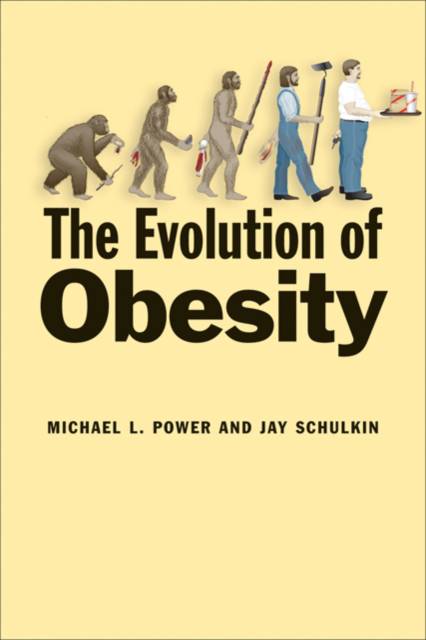
In this sweeping exploration of the relatively recent obesity epidemic, Michael L. Power and Jay Schulkin probe evolutionary biology, history, physiology, and medical science to uncover the causes of our growing girth. The unexpected answer? Our own evolutionary success. For most of the past few million years, our evolutionary ancestors' survival depended on being able to consume as much as possible when food was available and to store the excess energy for periods when it was scarce. In the developed world today, high-calorie foods are readily obtainable, yet the propensity to store fat is part of our species' heritage, leaving an increasing number of the world's people vulnerable to obesity. In an environment of abundant food, we are anatomically, physiologically, metabolically, and behaviorally programmed in a way that makes it difficult for us to avoid gaining weight. Power and Schulkin's engagingly argued book draws on popular examples and sound science to explain our expanding waistlines and to discuss the consequences of being overweight for different demographic groups. They review the various studies of human and animal fat use and storage, including those that examine fat deposition and metabolism in men and women; chronicle cultural differences in food procurement, preparation, and consumption; and consider the influence of sedentary occupations and lifestyles. A compelling and comprehensive examination of the causes and consequences of the obesity epidemic, The Evolution of Obesity offers fascinating insights into the question, Why are we getting fatter?
Specificaties
Betrokkenen
- Auteur(s):
- Uitgeverij:
Inhoud
- Aantal bladzijden:
- 408
- Taal:
- Engels
Eigenschappen
- Productcode (EAN):
- 9781421409603
- Verschijningsdatum:
- 28/12/2012
- Uitvoering:
- Paperback
- Formaat:
- Trade paperback (VS)
- Afmetingen:
- 152 mm x 229 mm
- Gewicht:
- 562 g



Alleen bij Standaard Boekhandel
+ 112 punten op je klantenkaart van Standaard Boekhandel
Cadeau

AANGERADEN


Beoordelingen
We publiceren alleen reviews die voldoen aan de voorwaarden voor reviews. Bekijk onze voorwaarden voor reviews.