


- Afhalen na 1 uur in een winkel met voorraad
- Gratis thuislevering in België vanaf € 30
- Ruim aanbod met 7 miljoen producten
- Afhalen na 1 uur in een winkel met voorraad
- Gratis thuislevering in België vanaf € 30
- Ruim aanbod met 7 miljoen producten





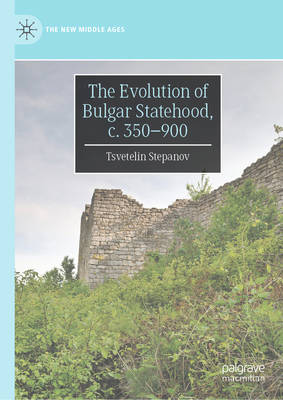
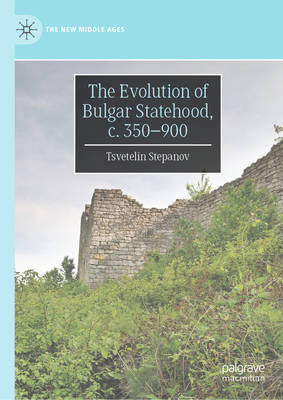
The Evolution of Bulgar Statehood, C. 350-900
Tsvetelin Stepanov
€ 162,45
+ 324 punten
Eenvoudig bestellen
Veilig betalen


Gratis thuislevering vanaf € 30 (via bpost)
Gratis levering in je Standaard Boekhandel
Omschrijving
This book examines the development of statehood and symbolic representations of power amongst the Bulgar people from approximately 350 through 900 CE. This volume fills a gap in English-language medieval studies and historiography, considering Bulgar society in a modern anthropological way. This book argues that the Bulgar(ian) statehood before the mid-ninth century cannot be considered a 'barbarian' one; instead, the process of Christianization led Bulgaria to be a fully developed 'barbarian' state via a synthesis of Northern Iranian and Turkic steppe and Roman traditions by 900.
Specificaties
Betrokkenen
- Auteur(s):
- Uitgeverij:
Inhoud
- Aantal bladzijden:
- 373
- Taal:
- Engels
- Reeks:
Eigenschappen
- Productcode (EAN):
- 9783032221551
- Verschijningsdatum:
- 3/08/2026
- Uitvoering:
- Hardcover
- Formaat:
- Genaaid
- Afmetingen:
- 148 mm x 210 mm


Alleen bij Standaard Boekhandel
+ 324 punten op je klantenkaart van Standaard Boekhandel
CADEAU

AANGERADEN


Beoordelingen
We publiceren alleen reviews die voldoen aan de voorwaarden voor reviews. Bekijk onze voorwaarden voor reviews.