


- Afhalen na 1 uur in een winkel met voorraad
- Gratis thuislevering in België vanaf € 30
- Ruim aanbod met 7 miljoen producten
- Afhalen na 1 uur in een winkel met voorraad
- Gratis thuislevering in België vanaf € 30
- Ruim aanbod met 7 miljoen producten





€ 108,45
+ 216 punten
Uitvoering
Omschrijving
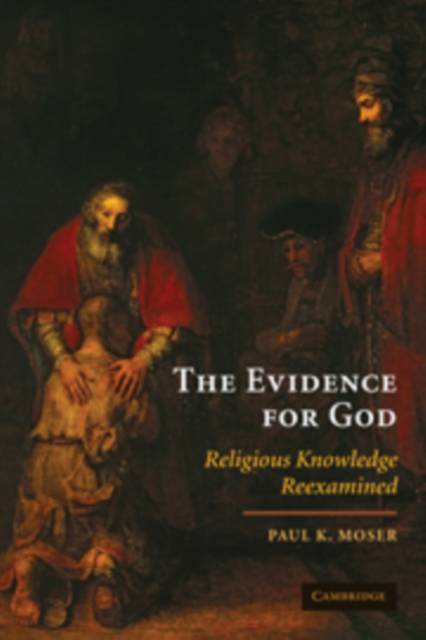
If God exists, where can we find adequate evidence for God's existence? In this book, Paul Moser offers a new perspective on the evidence for God that centers on a morally robust version of theism that is cognitively resilient. The resulting evidence for God is not speculative, abstract, or casual. Rather, it is morally and existentially challenging to humans, as they themselves responsively and willingly become evidence of God's reality in receiving and reflecting God's moral character for others. Moser calls this "personifying evidence of God," because it requires the evidence to be personified in an intentional agent - such as a human - and thereby to be inherent evidence of an intentional agent. Contrasting this approach with skepticism, scientific naturalism, fideism, and natural theology, Moser also grapples with the potential problems of divine hiddenness, religious diversity, and vast evil.
Specificaties
Betrokkenen
- Auteur(s):
- Uitgeverij:
Inhoud
- Aantal bladzijden:
- 292
- Taal:
- Engels
Eigenschappen
- Productcode (EAN):
- 9780521516563
- Verschijningsdatum:
- 30/11/2009
- Uitvoering:
- Hardcover
- Formaat:
- Genaaid
- Afmetingen:
- 152 mm x 234 mm
- Gewicht:
- 498 g


Alleen bij Standaard Boekhandel
+ 216 punten op je klantenkaart van Standaard Boekhandel
CADEAU

AANGERADEN


Beoordelingen
We publiceren alleen reviews die voldoen aan de voorwaarden voor reviews. Bekijk onze voorwaarden voor reviews.