


- Afhalen na 1 uur in een winkel met voorraad
- Gratis thuislevering in België vanaf € 30
- Ruim aanbod met 7 miljoen producten
- Afhalen na 1 uur in een winkel met voorraad
- Gratis thuislevering in België vanaf € 30
- Ruim aanbod met 7 miljoen producten





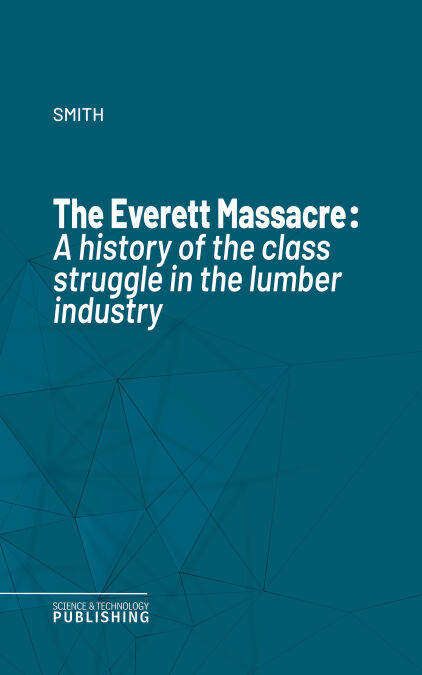
The Everett Massacre E-BOOK
A history of the class struggle in the lumber industry
Smith
E-book | Engels
€ 19,99
+ 19 punten
Omschrijving
The Everett Massacre: A History of the Class Struggle in the Lumber Industry is a gripping and meticulously researched account of one of the most significant and violent labor conflicts in early 20th-century America. Authored by Walker C. Smith and first published in 1916, the book delves deep into the turbulent events surrounding the tragic confrontation between striking workers and armed authorities in Everett, Washington, in November 1916. The narrative unfolds against the backdrop of the Pacific Northwest’s booming lumber industry, where harsh working conditions, low wages, and the relentless exploitation of laborers fueled mounting tensions between workers and powerful lumber barons. Smith’s work provides a vivid, firsthand chronicle of the Industrial Workers of the World (IWW), also known as the “Wobblies,” as they organized and agitated for better conditions, fair pay, and the right to free speech. The book details the escalating hostilities that culminated in the infamous Everett Massacre, where a peaceful protest by IWW members was met with deadly gunfire from local law enforcement and vigilantes, resulting in multiple deaths and injuries. Through eyewitness testimonies, court records, and contemporary news accounts, Smith reconstructs the events leading up to the massacre, the violent clash itself, and the subsequent legal battles that gripped the nation. More than just a recounting of a single incident, The Everett Massacre explores the broader themes of class struggle, the fight for workers’ rights, and the suppression of dissent in early 20th-century America. Smith’s passionate and unflinching prose exposes the collusion between business interests and government authorities, the manipulation of public opinion, and the resilience of the labor movement in the face of brutal repression. The book stands as both a historical document and a call to action, illuminating the sacrifices made by working people in their pursuit of justice and dignity. Rich in detail and deeply human in its perspective, The Everett Massacre remains an essential read for anyone interested in American labor history, social justice, and the enduring struggle between capital and labor.
Specificaties
Betrokkenen
- Auteur(s):
- Uitgeverij:
Inhoud
- Taal:
- Engels
Eigenschappen
- Productcode (EAN):
- 9782528106372
- Verschijningsdatum:
- 31/08/2025
- Uitvoering:
- E-book
- Formaat:
- ePub


Alleen bij Standaard Boekhandel
+ 19 punten op je klantenkaart van Standaard Boekhandel
Cadeau

AANGERADEN


Beoordelingen
We publiceren alleen reviews die voldoen aan de voorwaarden voor reviews. Bekijk onze voorwaarden voor reviews.