


- Afhalen na 1 uur in een winkel met voorraad
- Gratis thuislevering in België vanaf € 30
- Ruim aanbod met 7 miljoen producten
- Afhalen na 1 uur in een winkel met voorraad
- Gratis thuislevering in België vanaf € 30
- Ruim aanbod met 7 miljoen producten





€ 16,95
+ 33 punten
Omschrijving
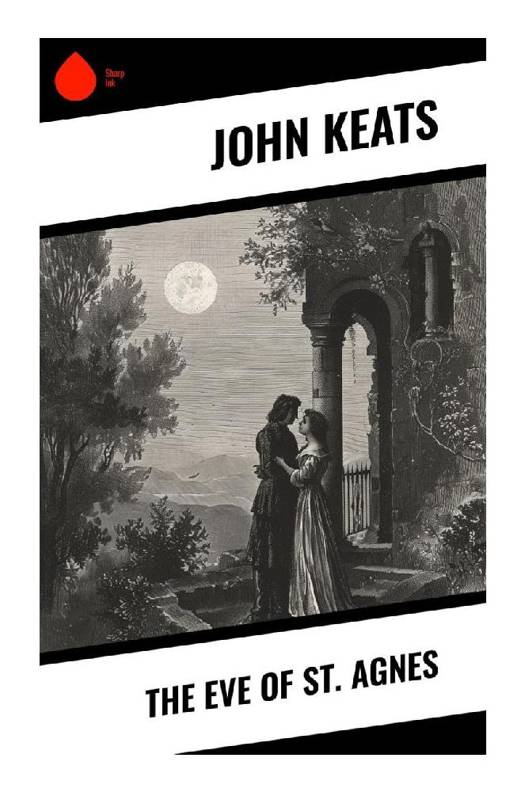
John Keats's "The Eve of St. Agnes" is a rich narrative poem that intricately weaves the themes of love, desire, and the clash between reality and idealism. Set against the backdrop of a medieval setting, the poem unfolds on the titular night, inviting readers into a vibrant tapestry of sensory language and lush imagery. Keats employs a remarkable blend of sensual detail and emotional depth, showcasing his mastery of Romantic ideals while drawing upon medieval folklore and legend. The poem's intricate structure and vivid symbolism contribute to a dreamlike atmosphere that ultimately culminates in a poignant exploration of the transformative power of love. John Keats (1795-1821) was a central figure in the Romantic movement, known for his profound engagement with beauty, mortality, and the human experience. His own tumultuous life, marked by personal losses, illness, and a relentless quest for artistic authenticity, deeply influenced his poetic vision. "The Eve of St. Agnes" was conceived during a period of intense creativity and self-reflection, showcasing Keats's ability to intertwine personal emotion with universal themes, reflecting both his aspirations and anxieties as a poet. This enchanting poem is highly recommended for those who appreciate the depths of Romantic poetry. Readers will find in "The Eve of St. Agnes" not only a story of love but also a rich exploration of the human condition, making it a timeless piece that continues to resonate with audiences today.
Specificaties
Betrokkenen
- Auteur(s):
- Uitgeverij:
Inhoud
- Taal:
- Engels
Eigenschappen
- Productcode (EAN):
- 9788028374259
- Uitvoering:
- Paperback
- Afmetingen:
- 152 mm x 229 mm
- Gewicht:
- 429 g



Alleen bij Standaard Boekhandel
+ 33 punten op je klantenkaart van Standaard Boekhandel
Cadeau

AANGERADEN


Beoordelingen
We publiceren alleen reviews die voldoen aan de voorwaarden voor reviews. Bekijk onze voorwaarden voor reviews.