Standaard Boekhandel gebruikt cookies en gelijkaardige technologieën om de website goed te laten werken en je een betere surfervaring te bezorgen.
Hieronder kan je kiezen welke cookies je wilt inschakelen:
Technische en functionele cookies
Deze cookies zijn essentieel om de website goed te laten functioneren, en laten je toe om bijvoorbeeld in te loggen. Je kan deze cookies niet uitschakelen.
Analytische cookies
Deze cookies verzamelen anonieme informatie over het gebruik van onze website. Op die manier kunnen we de website beter afstemmen op de behoeften van de gebruikers.
Marketingcookies
Deze cookies delen je gedrag op onze website met externe partijen, zodat je op externe platformen relevantere advertenties van Standaard Boekhandel te zien krijgt.
Je cadeautjes zeker op tijd in huis hebben voor de feestdagen? Kom langs in onze winkels en vind het perfecte geschenk!
Afhalen na 1 uur in een winkel met voorraad
Gratis thuislevering in België vanaf € 30
Ruim aanbod met 7 miljoen producten
Je cadeautjes zeker op tijd in huis hebben voor de feestdagen? Kom langs in onze winkels en vind het perfecte geschenk!
Je kan maximaal 250 producten tegelijk aan je winkelmandje toevoegen. Verwijdere enkele producten uit je winkelmandje, of splits je bestelling op in meerdere bestellingen.
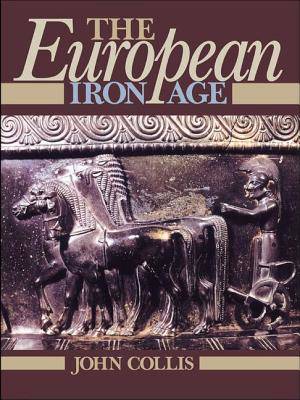
This ambitious study documents the underlying features which link the civilizations of the Mediterranean - Phoenician, Greek, Etruscan and Roman - and the Iron Age cultures of central Europe, traditionally associated with the Celts. It deals with the social, economic and cultural interaction in the first millennium BC which culminated in the Roman Empire. The book has three principle themes: the spread of iron-working from its origins in Anatolia to its adoption over most of Europe; the development of a trading system throughout the Mediterrean world after the collapse of Mycenaean Greece and its spread into temperate Europe; and the rise of ever more complex societies, including states and cities, and eventually empires. Dr Collis takes a new look at such key concepts as population movement, diffusion, trade, social structure and spatial organization, with some challenging new views on the Celts in particular.