


- Afhalen na 1 uur in een winkel met voorraad
- Gratis thuislevering in België vanaf € 30
- Ruim aanbod met 7 miljoen producten
- Afhalen na 1 uur in een winkel met voorraad
- Gratis thuislevering in België vanaf € 30
- Ruim aanbod met 7 miljoen producten





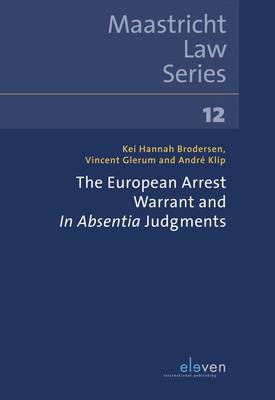
The European Arrest Warrant and In Absentia Judgments
Kei Hannah Brodersen
€ 115,95
+ 231 punten
Omschrijving
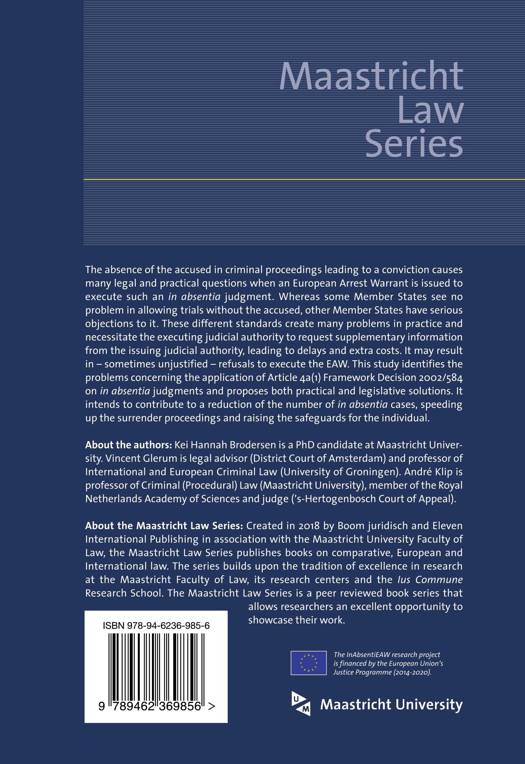
The absence of the accused in criminal proceedings leading to a conviction causes many legal and practical questions when an European Arrest Warrant is issued to execute such an in absentia judgment. Whereas some Member States see no problem in allowing trials without the accused, other Member States have serious objections to it. These different standards create many problems in practice and necessitate the executing judicial authority to request supplementary information from the issuing judicial authority, leading to delays and extra costs. It may result in - sometimes unjustified - refusals to execute the EAW. This study identifies the problems concerning the application of Article 4a(1) Framework Decision 2002/584 on in absentia judgments and proposes both practical and legislative solutions. It intends to contribute to a reduction of the number of in absentia cases, speeding up the surrender proceedings and raising the safeguards for the individual.
Specificaties
Betrokkenen
- Auteur(s):
- Uitgeverij:
Inhoud
- Aantal bladzijden:
- 338
- Taal:
- Engels
- Reeks:
- Reeksnummer:
- nr. 12
Eigenschappen
- Productcode (EAN):
- 9789462369856
- Verschijningsdatum:
- 15/12/2019
- Uitvoering:
- Paperback
- Formaat:
- Trade paperback (VS)
- Afmetingen:
- 170 mm x 244 mm
- Gewicht:
- 543 g


Alleen bij Standaard Boekhandel
+ 231 punten op je klantenkaart van Standaard Boekhandel
Cadeau

AANGERADEN


Beoordelingen
We publiceren alleen reviews die voldoen aan de voorwaarden voor reviews. Bekijk onze voorwaarden voor reviews.