


- Afhalen na 1 uur in een winkel met voorraad
- Gratis thuislevering in België vanaf € 30
- Ruim aanbod met 7 miljoen producten
- Afhalen na 1 uur in een winkel met voorraad
- Gratis thuislevering in België vanaf € 30
- Ruim aanbod met 7 miljoen producten





€ 195,45
+ 390 punten
Uitvoering
Omschrijving
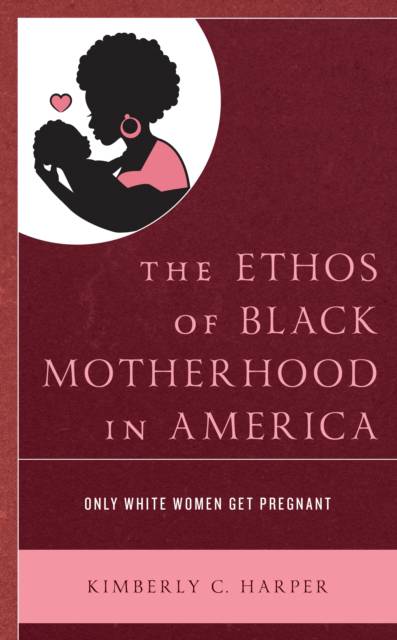
The Ethos of Black Motherhood in America: Only White Women Get Pregnant examines the ethos of Black and white mothers in America's racialized society. Kimberly C. Harper argues that the current Black maternal health crisis is not a new one, but an existing one rooted in the disregard for Black wombs dating back to America's history with chattel slavery. Examining the reproductive laws that controlled the reproductive experiences of black women, Harper provides a fresh insight into the "bad black mother" trope that Black feminist scholars have theorized and argues that the controlling images of black motherhood are a creation of the American nation-state. In addition to a discussion of black motherhood, Harper also explores the image of white motherhood as the center of the landscape of motherhood. Scholars of communication, gender studies, women's studies, history, and race studies will find this book particularly useful.
Specificaties
Betrokkenen
- Auteur(s):
- Uitgeverij:
Inhoud
- Aantal bladzijden:
- 158
- Taal:
- Engels
- Reeks:
- Reeksnummer:
- nr. 17
Eigenschappen
- Productcode (EAN):
- 9781793601421
- Verschijningsdatum:
- 27/10/2020
- Uitvoering:
- Hardcover
- Formaat:
- Genaaid
- Afmetingen:
- 152 mm x 229 mm
- Gewicht:
- 403 g


Alleen bij Standaard Boekhandel
+ 390 punten op je klantenkaart van Standaard Boekhandel
CADEAU

AANGERADEN


Beoordelingen
We publiceren alleen reviews die voldoen aan de voorwaarden voor reviews. Bekijk onze voorwaarden voor reviews.