



Je cadeautjes zeker op tijd in huis hebben voor de feestdagen? Kom langs in onze winkels en vind het perfecte geschenk!
- Afhalen na 1 uur in een winkel met voorraad
- Gratis thuislevering in België vanaf € 30
- Ruim aanbod met 7 miljoen producten
Je cadeautjes zeker op tijd in huis hebben voor de feestdagen? Kom langs in onze winkels en vind het perfecte geschenk!
- Afhalen na 1 uur in een winkel met voorraad
- Gratis thuislevering in België vanaf € 30
- Ruim aanbod met 7 miljoen producten





Omschrijving
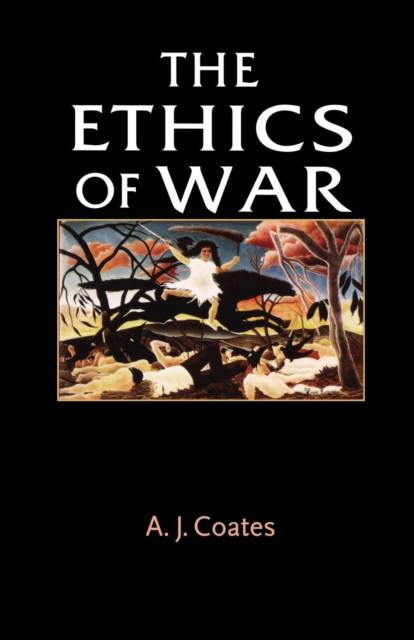
Drawing on examples from the history of warfare from the Crusades to the present day, The ethics of war explores the limits and possibilities of the moral regulation of war. While resisting the commonly held view that 'war is hell', A. J. Coates focuses on the tensions which exist between war and morality. The argument is conducted from a just war standpoint, though the moral ambiguity and mixed record of that tradition is acknowledged and the dangers which an exaggerated view of the justice or moral worth of war poses are underlined. In the first part, the broad image of the just war is compared with the competing images of realism, militarism and pacifism. In the second part, the moral issues associated both with the decision to go to war and with the manner in which war is conducted are explored. Was the allied decision to go to war in the Gulf premature? Were economic sanctions a more effective and morally preferable option? Was Britain justified in going to war over the Falklands? Did the Allied bombing of Germany in the Second World War constitute a war crime? Should the IRA's claim to belligerent status be recognised? These questions and more are raised in this important book.
Specificaties
Betrokkenen
- Auteur(s):
- Uitgeverij:
Inhoud
- Aantal bladzijden:
- 320
- Taal:
- Engels
Eigenschappen
- Productcode (EAN):
- 9780719040467
- Verschijningsdatum:
- 21/08/2007
- Uitvoering:
- Paperback
- Formaat:
- Trade paperback (VS)
- Afmetingen:
- 140 mm x 213 mm
- Gewicht:
- 408 g


Alleen bij Standaard Boekhandel
+ 70 punten op je klantenkaart van Standaard Boekhandel
CADEAU


Beoordelingen
We publiceren alleen reviews die voldoen aan de voorwaarden voor reviews. Bekijk onze voorwaarden voor reviews.