


- Afhalen na 1 uur in een winkel met voorraad
- Gratis thuislevering in België vanaf € 30
- Ruim aanbod met 7 miljoen producten
- Afhalen na 1 uur in een winkel met voorraad
- Gratis thuislevering in België vanaf € 30
- Ruim aanbod met 7 miljoen producten





€ 19,99
+ 19 punten
Omschrijving
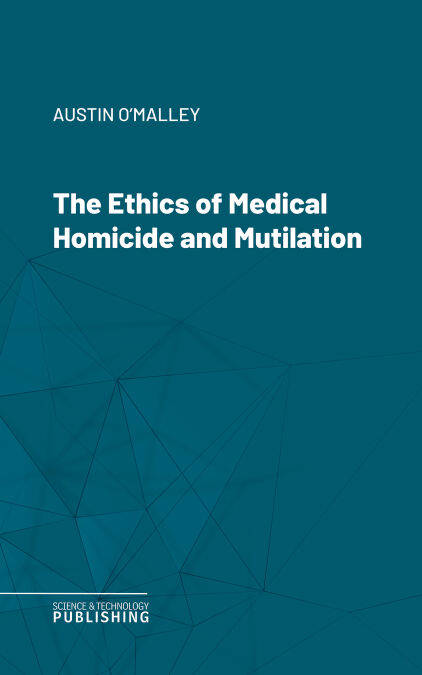
The Ethics of Medical Homicide and Mutilation by Austin O’Malley is a comprehensive and thought-provoking exploration of the moral, legal, and philosophical questions surrounding controversial medical practices such as euthanasia, abortion, vivisection, and surgical mutilation. First published in 1906, the book delves deeply into the ethical dilemmas faced by physicians, patients, and society at large when confronted with life-and-death decisions in the medical field. O’Malley, a physician and ethicist, examines the historical context and prevailing attitudes of his time, drawing on religious, legal, and philosophical sources to analyze the justification and condemnation of acts that intentionally end or alter human life. The book is structured to address a wide range of topics, including the definition and boundaries of homicide and mutilation in medical practice, the distinction between direct and indirect actions, and the responsibilities of medical professionals when balancing the relief of suffering with the sanctity of life. O’Malley scrutinizes the arguments for and against euthanasia, the moral status of the unborn in abortion debates, and the ethical implications of experimental surgery and vivisection on both humans and animals. He also discusses the role of consent, the influence of societal norms, and the impact of medical advancements on traditional ethical frameworks. Throughout, O’Malley’s writing is marked by rigorous logic, careful analysis, and a deep concern for human dignity. He challenges readers to consider not only the immediate consequences of medical interventions but also their broader implications for humanity and civilization. The Ethics of Medical Homicide and Mutilation remains a significant historical document, offering valuable insights into the enduring debates over medical ethics, the limits of professional authority, and the moral complexities inherent in the practice of medicine.
Specificaties
Betrokkenen
- Auteur(s):
- Uitgeverij:
Inhoud
- Taal:
- Engels
Eigenschappen
- Productcode (EAN):
- 9782528109649
- Verschijningsdatum:
- 31/08/2025
- Uitvoering:
- E-book
- Formaat:
- ePub


Alleen bij Standaard Boekhandel
+ 19 punten op je klantenkaart van Standaard Boekhandel
Cadeau

AANGERADEN


Beoordelingen
We publiceren alleen reviews die voldoen aan de voorwaarden voor reviews. Bekijk onze voorwaarden voor reviews.