


- Afhalen na 1 uur in een winkel met voorraad
- Gratis thuislevering in België vanaf € 30
- Ruim aanbod met 7 miljoen producten
- Afhalen na 1 uur in een winkel met voorraad
- Gratis thuislevering in België vanaf € 30
- Ruim aanbod met 7 miljoen producten





€ 161,45
+ 322 punten
Omschrijving
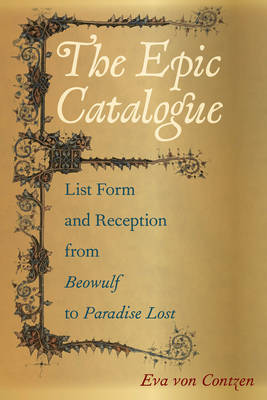
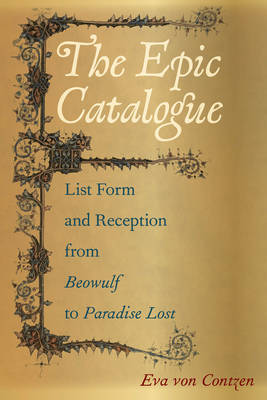
In The Epic Catalogue, Eva von Contzen offers the first sustained study of the catalogue as form in epic poetry, tracing its functions and meanings across medieval and early modern literature. Ever since the Catalogue of Ships in Homer's Iliad, catalogues have stood at the heart of epic poetry, yet their status is paradoxical: canonical and indispensable for the genre of epic, but also resistant to narrative flow and therefore both a challenge and a nuisance to audiences. Moving from biblical epic and Milton's Paradise Lost to Beowulf and early English poetry, von Contzen presents four case studies that examine the catalogue's role in shaping poetic authority, readerly engagement, and the reception of classical models. Von Contzen's literary-historical approach bridges classical and vernacular traditions from early English to early modern poetry and sharpens our view of both continuities and ruptures in the epic tradition, challenging conventional narratives of classical reception. Bringing together formalist and cognitive literary methodologies, she argues that catalogues are not inert enumerations but dynamic cognitive forms that invite audiences to think differently about order, memory, and the status of epic itself.
Specificaties
Betrokkenen
- Auteur(s):
- Uitgeverij:
Inhoud
- Aantal bladzijden:
- 224
- Taal:
- Engels
- Reeks:
Eigenschappen
- Productcode (EAN):
- 9780814216187
- Verschijningsdatum:
- 27/07/2026
- Uitvoering:
- Hardcover
- Formaat:
- Genaaid
- Afmetingen:
- 152 mm x 229 mm


Alleen bij Standaard Boekhandel
+ 322 punten op je klantenkaart van Standaard Boekhandel
Cadeau

AANGERADEN


Beoordelingen
We publiceren alleen reviews die voldoen aan de voorwaarden voor reviews. Bekijk onze voorwaarden voor reviews.