


- Afhalen na 1 uur in een winkel met voorraad
- Gratis thuislevering in België vanaf € 30
- Ruim aanbod met 7 miljoen producten
- Afhalen na 1 uur in een winkel met voorraad
- Gratis thuislevering in België vanaf € 30
- Ruim aanbod met 7 miljoen producten





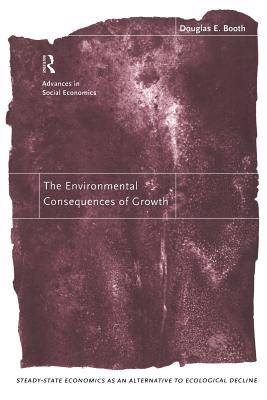
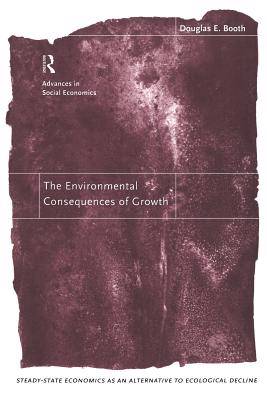
The Environmental Consequences of Growth
Steady-State Economics as an Alternative to Ecological Decline
Douglas Booth
€ 70,45
+ 140 punten
Uitvoering
Omschrijving
This book presents a new perspective on the link between economic growth and environmental change. All the key issues in environmental economics are covered, including: * industry, creation and environmental change * air, water and toxic pollution * economic growth and the limits of environmental regulation * ethics and the limits of environmental economics. The central thesis is that whilst new industries are necessary for economic growth, their development creates new environmental problems which become difficult to reverse. An alternative approach, 'steady-state economics', based on the concept of ethical commitment, is put forward as a possible alternative to a high-growth, environmentally destructive economy. Providing a welcome alternative to conventional, neoclassical microeconomic thought on environmental issues, this will be vital reading for students of environmental economics and related subjects.
Specificaties
Betrokkenen
- Auteur(s):
- Uitgeverij:
Inhoud
- Aantal bladzijden:
- 240
- Taal:
- Engels
- Reeks:
Eigenschappen
- Productcode (EAN):
- 9780415169912
- Verschijningsdatum:
- 1/01/1998
- Uitvoering:
- Paperback
- Formaat:
- Trade paperback (VS)
- Afmetingen:
- 157 mm x 235 mm
- Gewicht:
- 362 g


Alleen bij Standaard Boekhandel
+ 140 punten op je klantenkaart van Standaard Boekhandel
Cadeau

AANGERADEN


Beoordelingen
We publiceren alleen reviews die voldoen aan de voorwaarden voor reviews. Bekijk onze voorwaarden voor reviews.