


- Afhalen na 1 uur in een winkel met voorraad
- Gratis thuislevering in België vanaf € 30
- Ruim aanbod met 7 miljoen producten
- Afhalen na 1 uur in een winkel met voorraad
- Gratis thuislevering in België vanaf € 30
- Ruim aanbod met 7 miljoen producten





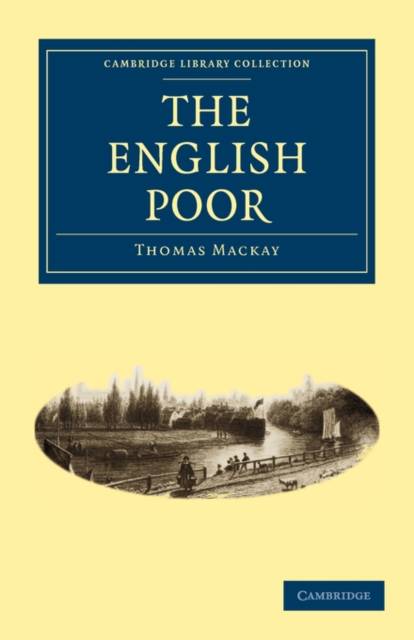
The English Poor
Thomas MacKay
€ 33,95
+ 67 punten
Omschrijving
In 1889, British wine merchant Thomas Mackay published The English Poor, which espoused the ideas of Darwin and applied them to British social and economic history. An acolyte of social Darwinist Herbert Spencer, Mackay writes that human history has been a struggle between individualism and socialism, and argues that only through individual competition (not state social support) will poverty be eradicated. The opening chapters discuss the human instinct for property accumulation, primitive forms of society, elite control of workers during the plague years, and the growth of the proletariat. Later chapters discuss social legislation, the evolution of England's poor laws, and the Industrial Revolution. Finally, Mackay debates the scholarship of socialist Ernest Belfort Bax, bemoans the misguided ideas of Christian charity, and argues that the lives of 'lower types' of people have been prolonged by the poor laws. This is a fascinating document of late-Victorian economic thought.
Specificaties
Betrokkenen
- Auteur(s):
- Uitgeverij:
Inhoud
- Aantal bladzijden:
- 320
- Taal:
- Engels
- Reeks:
Eigenschappen
- Productcode (EAN):
- 9781108003704
- Verschijningsdatum:
- 20/07/2009
- Uitvoering:
- Paperback
- Formaat:
- Trade paperback (VS)
- Afmetingen:
- 140 mm x 216 mm
- Gewicht:
- 408 g


Alleen bij Standaard Boekhandel
+ 67 punten op je klantenkaart van Standaard Boekhandel
Cadeau

AANGERADEN


Beoordelingen
We publiceren alleen reviews die voldoen aan de voorwaarden voor reviews. Bekijk onze voorwaarden voor reviews.