


- Afhalen na 1 uur in een winkel met voorraad
- Gratis thuislevering in België vanaf € 30
- Ruim aanbod met 7 miljoen producten
- Afhalen na 1 uur in een winkel met voorraad
- Gratis thuislevering in België vanaf € 30
- Ruim aanbod met 7 miljoen producten





Omschrijving
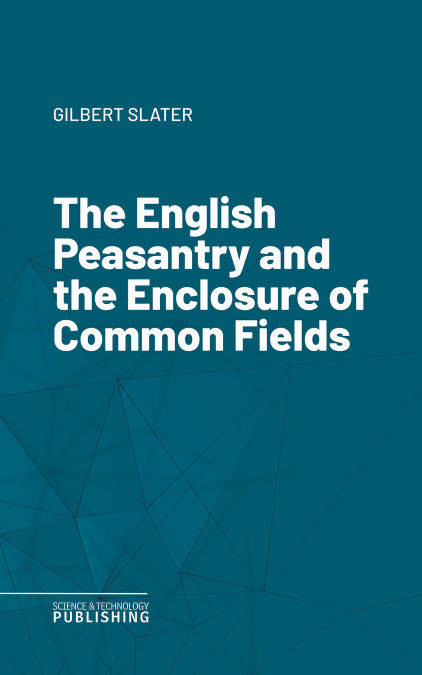
The English Peasantry and the Enclosure of Common Fields by Gilbert Slater is a comprehensive historical analysis of the profound transformation that swept through rural England from the Middle Ages to the nineteenth century. The book meticulously examines the process of enclosure—the legal and economic restructuring that converted open, communal fields and common lands into privately owned, fenced parcels. Slater explores the origins of the open-field system, the social and economic life of the English peasantry, and the gradual shift toward individual landholding. He delves into the legislative framework that enabled enclosure, the motivations of landowners, and the resistance and hardships faced by rural communities. Through detailed case studies and references to parliamentary acts, Slater illustrates how enclosure altered the landscape, disrupted traditional village life, and contributed to the decline of the small peasant farmer. The book highlights the loss of customary rights, the displacement of rural populations, and the resulting social upheaval, including increased poverty and migration to urban centers. Slater also considers the arguments of enclosure’s proponents, who claimed it led to agricultural improvement and economic efficiency, and weighs these against the human cost borne by the peasantry. Rich in historical detail and analysis, The English Peasantry and the Enclosure of Common Fields provides valuable insights into the economic, social, and political forces that shaped rural England. It is an essential resource for understanding the origins of modern agricultural practices, the transformation of the English countryside, and the enduring impact of enclosure on rural society.
Specificaties
Betrokkenen
- Auteur(s):
- Uitgeverij:
Inhoud
- Taal:
- Engels
Eigenschappen
- Productcode (EAN):
- 9782528114704
- Verschijningsdatum:
- 31/08/2025
- Uitvoering:
- E-book
- Formaat:
- ePub


Alleen bij Standaard Boekhandel
Cadeau

AANGERADEN


Beoordelingen
We publiceren alleen reviews die voldoen aan de voorwaarden voor reviews. Bekijk onze voorwaarden voor reviews.