


- Afhalen na 1 uur in een winkel met voorraad
- Gratis thuislevering in België vanaf € 30
- Ruim aanbod met 7 miljoen producten
- Afhalen na 1 uur in een winkel met voorraad
- Gratis thuislevering in België vanaf € 30
- Ruim aanbod met 7 miljoen producten





€ 201,95
+ 403 punten
Uitvoering
Omschrijving
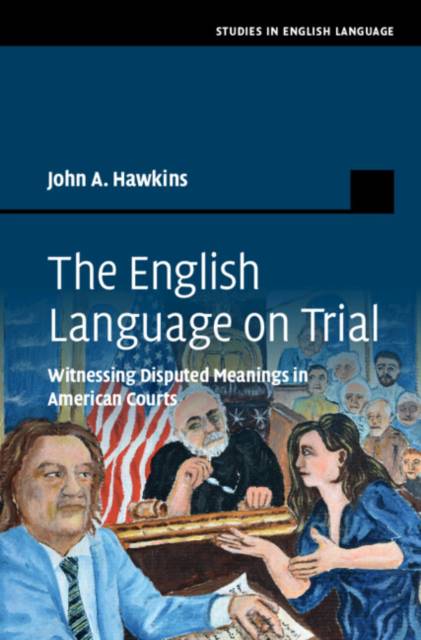
Many lawsuits arise over disagreements about language and about the meanings of everyday words, phrases, and sentences. This book draws on over fifty cases involving disputed meanings in the American legal system where the author served as an expert witness or consultant, to explore the interaction between language and law. Stepping back from the legal specifics and their outcomes, it analyzes the disputes from the perspective of the language sciences, especially semantics and pragmatics, and language comprehension. It seeks to understand why, and in what areas of English grammar, lexis, and usage, they have arisen among speakers who do not normally miscommunicate and disagree like this. The cases involve contracts, patents, advertising, trademarks, libel, and defamation, and descriptive insights and methods from the language sciences are applied to each case to make explicit the meanings that speakers would normally assign to English.
Specificaties
Betrokkenen
- Auteur(s):
- Uitgeverij:
Inhoud
- Aantal bladzijden:
- 286
- Taal:
- Engels
- Reeks:
Eigenschappen
- Productcode (EAN):
- 9781009682787
- Verschijningsdatum:
- 26/03/2026
- Uitvoering:
- Hardcover
- Formaat:
- Genaaid
- Afmetingen:
- 152 mm x 229 mm
- Gewicht:
- 548 g



Alleen bij Standaard Boekhandel
+ 403 punten op je klantenkaart van Standaard Boekhandel
Cadeau

AANGERADEN


Beoordelingen
We publiceren alleen reviews die voldoen aan de voorwaarden voor reviews. Bekijk onze voorwaarden voor reviews.