


- Afhalen na 1 uur in een winkel met voorraad
- Gratis thuislevering in België vanaf € 30
- Ruim aanbod met 7 miljoen producten
- Afhalen na 1 uur in een winkel met voorraad
- Gratis thuislevering in België vanaf € 30
- Ruim aanbod met 7 miljoen producten





€ 19,45
+ 38 punten
Eenvoudig bestellen
Veilig betalen


Gratis thuislevering vanaf € 30 (via bpost)
Gratis levering in je Standaard Boekhandel
Omschrijving
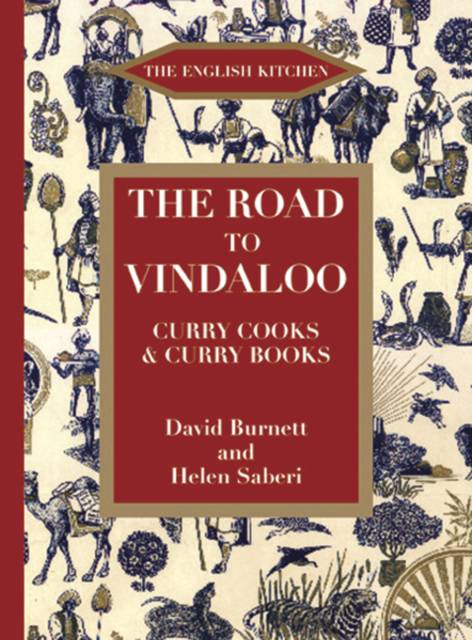
This book traces the development of Anglo-Indian cookery in English (and Scottish) cookery books from its earliest appearance in the 18th century through to modern works of the late 20th-century. It wanders the lanes and byways of the British occupation of India, unearthing delightful accounts of Imperial eating and explaining how we have grown accustomed to the spice-box of the Raj. The broad intention is to reproduce early recipes for curry and accounts of Anglo-Indian food in their original words. The majority come from printed books, but some are drawn from manuscripts. The narrative traces our enjoyment of these flavours from the 17th century through to the first appearance of a recipe for curry in Hannah Glasse in 1747. Thereafter, it looks at the various classes of cooks who produced popular and interesting recipes, from the female cookbook authors of the 18th century, to the club-cooks of Calcutta and London in the Regency, to the crusty colonels of late Victorian England, and the refined French-influenced chefs of the fin de siecle and pre-First World War days. By way of coda, the authors consider modern recipes from authors such as Madhur Jaffrey and Sir Gulam Noon's Chicken Tikka Masala, Britain's favourite dish. The whole is ornamented by extracts from past literature on eating curries hither and beyond.
Specificaties
Betrokkenen
- Auteur(s):
- Uitgeverij:
Inhoud
- Aantal bladzijden:
- 224
- Taal:
- Engels
Eigenschappen
- Productcode (EAN):
- 9781903018576
- Verschijningsdatum:
- 24/09/2008
- Uitvoering:
- Paperback
- Formaat:
- Trade paperback (VS)
- Afmetingen:
- 137 mm x 183 mm
- Gewicht:
- 294 g


Alleen bij Standaard Boekhandel
+ 38 punten op je klantenkaart van Standaard Boekhandel
CADEAU

AANGERADEN


Beoordelingen
We publiceren alleen reviews die voldoen aan de voorwaarden voor reviews. Bekijk onze voorwaarden voor reviews.