


- Afhalen na 1 uur in een winkel met voorraad
- Gratis thuislevering in België vanaf € 30
- Ruim aanbod met 7 miljoen producten
- Afhalen na 1 uur in een winkel met voorraad
- Gratis thuislevering in België vanaf € 30
- Ruim aanbod met 7 miljoen producten





€ 88,95
+ 177 punten
Omschrijving
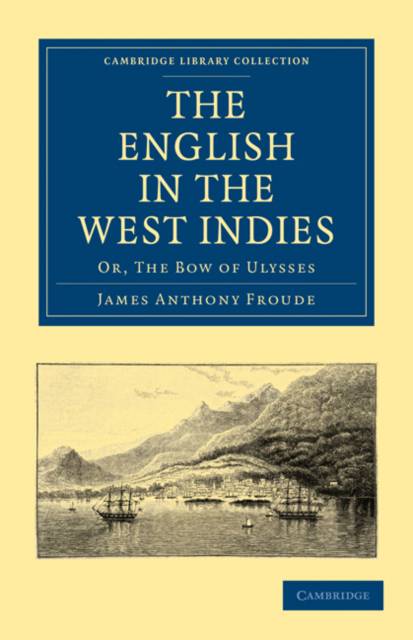
James Anthony Froude was one of the foremost Victorian historians in England, though he was often controversial and opinionated, especially towards Catholicism. His biography of Carlyle in 1884, with his emphasis on Carlyle's weaknesses as well as his brilliance, caused lasting offence to many. He then began travelling in British colonies, which led to the publication of Oceana (1886) and The English in the West Indies (1888) which combined anecdotes and observations with Froude's opinions on the British Empire. The latter provoked many angry responses to his views on how the colonies should be governed. He favoured self-government, but feared that democracy would cause the British islands to go the same way as French Haiti, stating that black rule in Grenada would led to a rapid return to savagery. Apart from his political opinions, the book contains interesting and vivid descriptions of the islands and their inhabitants.
Specificaties
Betrokkenen
- Auteur(s):
- Uitgeverij:
Inhoud
- Aantal bladzijden:
- 406
- Taal:
- Engels
- Reeks:
Eigenschappen
- Productcode (EAN):
- 9781108023702
- Verschijningsdatum:
- 9/12/2010
- Uitvoering:
- Paperback
- Formaat:
- Trade paperback (VS)
- Afmetingen:
- 140 mm x 216 mm
- Gewicht:
- 512 g



Alleen bij Standaard Boekhandel
+ 177 punten op je klantenkaart van Standaard Boekhandel
Cadeau

AANGERADEN


Beoordelingen
We publiceren alleen reviews die voldoen aan de voorwaarden voor reviews. Bekijk onze voorwaarden voor reviews.