


- Afhalen na 1 uur in een winkel met voorraad
- Gratis thuislevering in België vanaf € 30
- Ruim aanbod met 7 miljoen producten
- Afhalen na 1 uur in een winkel met voorraad
- Gratis thuislevering in België vanaf € 30
- Ruim aanbod met 7 miljoen producten





€ 13,95
+ 27 punten
Omschrijving
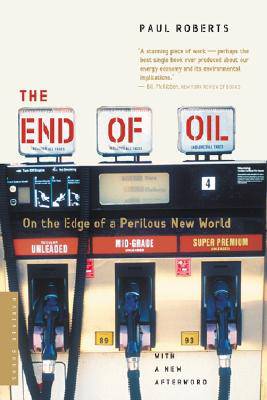
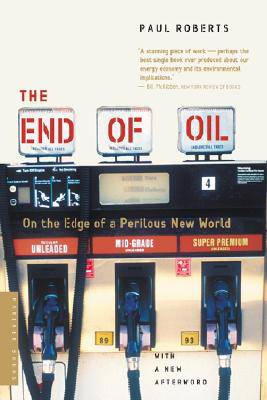
Petroleum is now so deeply entrenched in our economy, our politics, and our personal expectations that even modest efforts to phase it out are fought tooth and nail by the most powerful forces in the world: companies and governments that depend on oil revenues; the developing nations that see oil as the only means to industrial success; and a Western middle class that refuses to modify its energy-dependent lifestyle. But within thirty years, by even conservative estimates, we will have burned our way through most of the oil that is easily accessible. And well before then, the side effects of an oil-based society--economic volatility, geopolitical conflict, and the climate-changing impact of hydrocarbon pollution--will render fossil fuels an all but unacceptable solution. How will we break our addiction to oil? And what will we use in its place to maintain a global economy and political system that are entirely reliant on cheap, readily available energy?
Brilliantly reported from around the globe, The End of Oil brings the world situation into fresh and dramatic focus for business and general readers alike. Roberts talks to both oil optimists and oil pessimists, delves deep into the economics and politics of oil, considers the promises and pitfalls of alternatives, and shows that, although the world energy system has begun its epoch-defining transition, disruption and violent dislocation are almost assured if we do not take a more proactive stance. With the topicality and readability of Fast Food Nation and the scope and trenchant analysis of Guns, Germs, and Steel, this is a vitally important book for the new century.
Brilliantly reported from around the globe, The End of Oil brings the world situation into fresh and dramatic focus for business and general readers alike. Roberts talks to both oil optimists and oil pessimists, delves deep into the economics and politics of oil, considers the promises and pitfalls of alternatives, and shows that, although the world energy system has begun its epoch-defining transition, disruption and violent dislocation are almost assured if we do not take a more proactive stance. With the topicality and readability of Fast Food Nation and the scope and trenchant analysis of Guns, Germs, and Steel, this is a vitally important book for the new century.
Specificaties
Betrokkenen
- Auteur(s):
- Uitgeverij:
Inhoud
- Aantal bladzijden:
- 399
- Taal:
- Engels
Eigenschappen
- Productcode (EAN):
- 9780618562114
- Verschijningsdatum:
- 5/04/2005
- Uitvoering:
- Paperback
- Formaat:
- Trade paperback (VS)
- Afmetingen:
- 137 mm x 210 mm
- Gewicht:
- 417 g


Alleen bij Standaard Boekhandel
+ 27 punten op je klantenkaart van Standaard Boekhandel
Cadeau

AANGERADEN


Beoordelingen
We publiceren alleen reviews die voldoen aan de voorwaarden voor reviews. Bekijk onze voorwaarden voor reviews.