


- Afhalen na 1 uur in een winkel met voorraad
- Gratis thuislevering in België vanaf € 30
- Ruim aanbod met 7 miljoen producten
- Afhalen na 1 uur in een winkel met voorraad
- Gratis thuislevering in België vanaf € 30
- Ruim aanbod met 7 miljoen producten





€ 296,95
+ 593 punten
Uitvoering
Omschrijving
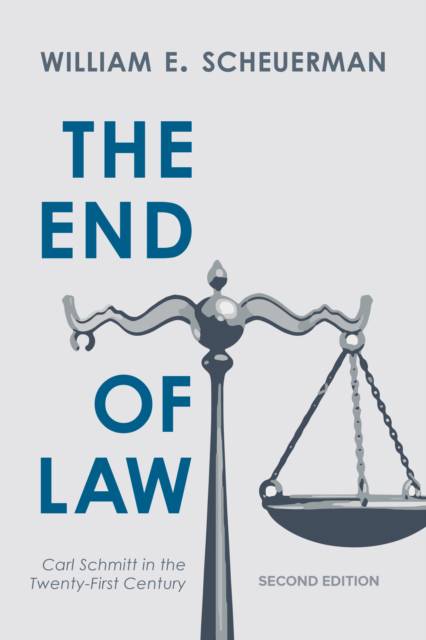
Scholarly and political interest in the work of the controversial twentieth century German thinker Carl Schmitt has exploded in the 20 years since William E. Scheuerman's important book was first published. However, Scheuerman's work remains distinctive. Firstly, it focuses directly on Schmitt's complex ideas about law, situating his views within broader debates about the rule of law and its fate. The volume shows how every facet of his political thinking was decisively shaped by his legal reflections. Secondly, the volume takes Schmitt's Nazi-era political and legal writings no less seriously. Finally, the volume offers a series of studies on figures in postwar US political thought (Friedrich Hayek and Joseph Schumpeter), demonstrating how Schmitt shaped their own influential theories. This timely second edition underscores how and why the recent growth of interest in Schmitt has been prompted by political developments, for example, debates about counterterrorism and emergency government, and the rise of authoritarian populism.
Specificaties
Betrokkenen
- Auteur(s):
- Uitgeverij:
Inhoud
- Aantal bladzijden:
- 358
- Taal:
- Engels
Eigenschappen
- Productcode (EAN):
- 9781786611543
- Verschijningsdatum:
- 18/10/2019
- Uitvoering:
- Hardcover
- Formaat:
- Genaaid
- Afmetingen:
- 152 mm x 229 mm
- Gewicht:
- 693 g


Alleen bij Standaard Boekhandel
+ 593 punten op je klantenkaart van Standaard Boekhandel
Cadeau

AANGERADEN


Beoordelingen
We publiceren alleen reviews die voldoen aan de voorwaarden voor reviews. Bekijk onze voorwaarden voor reviews.