


- Afhalen na 1 uur in een winkel met voorraad
- Gratis thuislevering in België vanaf € 30
- Ruim aanbod met 7 miljoen producten
- Afhalen na 1 uur in een winkel met voorraad
- Gratis thuislevering in België vanaf € 30
- Ruim aanbod met 7 miljoen producten





€ 49,45
+ 98 punten
Omschrijving
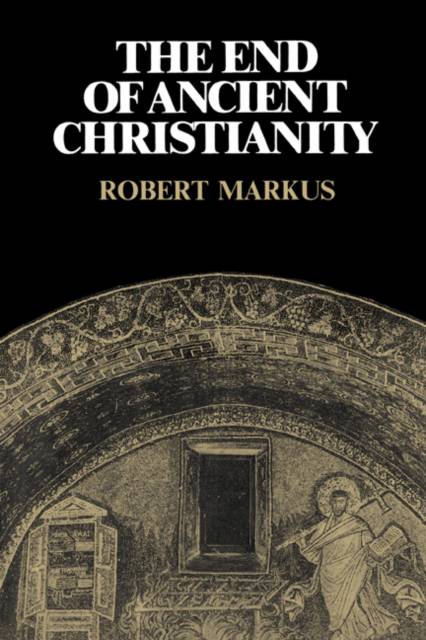
This study is concerned with one, central historical problem: the nature of the changes that transformed the intellectual and spiritual horizons of the Christian world from its establishment in the fourth century to the end of the sixth. Why, for example, were the assumptions, attitudes and traditions of Gregory the Great so markedly different from those of Augustine? The End of Ancient Christianity examines how Christians, who had formerly constituted a threatened and beleaguered minority, came to define their identity in a changed context of religious respectability in which their faith had become a source of privilege, prestige and power. Professor Markus reassesses the cult of the martyrs and the creation of schemes of sacred time and sacred space, and analyzes the appeal of asceticism and its impact on the Church at large. These changes form part of a fundamental transition, perhaps best described as the shift from "Ancient" toward "Medieval" forms of Christianity; from an older and more diverse secular culture towards a religious culture with a firm Biblical basis.
Specificaties
Betrokkenen
- Auteur(s):
- Uitgeverij:
Inhoud
- Aantal bladzijden:
- 280
- Taal:
- Engels
- Reeks:
Eigenschappen
- Productcode (EAN):
- 9780521339490
- Verschijningsdatum:
- 31/01/1991
- Uitvoering:
- Paperback
- Formaat:
- Trade paperback (VS)
- Afmetingen:
- 153 mm x 228 mm
- Gewicht:
- 394 g


Alleen bij Standaard Boekhandel
+ 98 punten op je klantenkaart van Standaard Boekhandel
Cadeau

AANGERADEN


Beoordelingen
We publiceren alleen reviews die voldoen aan de voorwaarden voor reviews. Bekijk onze voorwaarden voor reviews.