



Bedankt voor het vertrouwen het afgelopen jaar! Om jou te bedanken bieden we GRATIS verzending (in België) aan op alles gedurende de hele maand januari.
- Afhalen na 1 uur in een winkel met voorraad
- In januari gratis thuislevering in België
- Ruim aanbod met 7 miljoen producten
Bedankt voor het vertrouwen het afgelopen jaar! Om jou te bedanken bieden we GRATIS verzending (in België) aan op alles gedurende de hele maand januari.
- Afhalen na 1 uur in een winkel met voorraad
- In januari gratis thuislevering in België
- Ruim aanbod met 7 miljoen producten





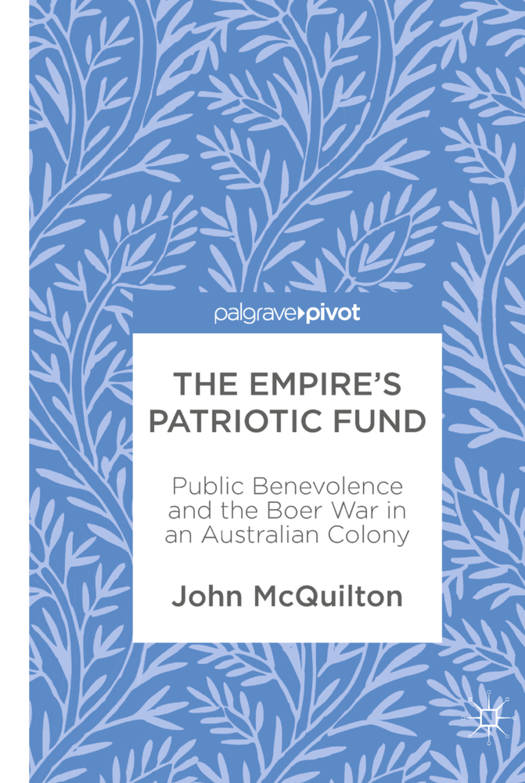
The Empire's Patriotic Fund
Public Benevolence and the Boer War in an Australian Colony
John McQuilton
Hardcover | Engels
€ 91,95
+ 183 punten
Uitvoering
Omschrijving
This book examines the Empire's Patriotic Fund, established in Victoria, Australia, in 1901 to assist the dependants of the men serving in the Boer War and the men invalided home because of wounds or illness. Acting as an autonomous body and drawing on funds raised through a public appeal, its work marked one of the first attempts in Australia to deal with the consequences of Australian participation in a sustained war. This is the first full study of an Australian fund established to support those affected by a sustained war being fought for Empire by Australians. Rather than casting those affected by war as victims, John McQuilton examines how a body of middle class men attempted to come to grips with an experience that lay outside prevailing notions of social welfare. Based on applications submitted to the Empire's Patriotic Fund where both class and gender played their roles, this book opens up further study of such funds and the question of antecedents in the history of repatriation in Australia in the early twentieth century.
Specificaties
Betrokkenen
- Auteur(s):
- Uitgeverij:
Inhoud
- Aantal bladzijden:
- 131
- Taal:
- Engels
Eigenschappen
- Productcode (EAN):
- 9783319618265
- Verschijningsdatum:
- 7/08/2017
- Uitvoering:
- Hardcover
- Formaat:
- Genaaid
- Afmetingen:
- 148 mm x 210 mm
- Gewicht:
- 326 g


Alleen bij Standaard Boekhandel
+ 183 punten op je klantenkaart van Standaard Boekhandel
SOLDEN


Beoordelingen
We publiceren alleen reviews die voldoen aan de voorwaarden voor reviews. Bekijk onze voorwaarden voor reviews.