


- Afhalen na 1 uur in een winkel met voorraad
- Gratis thuislevering in België vanaf € 30
- Ruim aanbod met 7 miljoen producten
- Afhalen na 1 uur in een winkel met voorraad
- Gratis thuislevering in België vanaf € 30
- Ruim aanbod met 7 miljoen producten





Omschrijving
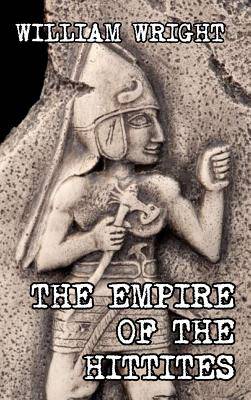
Decipherment of Hittite inscriptions by Professor Archibald Henry Sayce. Written by a senior biblical scholar at the British and Foreign Bible Society in London, this book has its roots in the author's personal investigations of a series of inscriptions he discovered while on missionary work near Damascus in the Middle East. Convinced that he had found the first reference to the Hittites outside the Bible, the author then produced the first major work on the Hittite culture, examining them in terms of their own writings, and those of the surrounding civilizations, Egyptian and Assyrian alike. The book then moves on to an evaluation of the geographical extent of the Hittite empire, its art and learning, religion, and racial makeup: "The sculptures show that the Hittites did not belong to a Semitic race. The features are rather those of a northern people, and on the temple of Ibsamboul the Hittites have a very Scythic character, with shaven head and a single lock from the crown. This peculiarity in the mode of dressing the hair is not seen on the Hittite monuments, but at Karnak and Thebes I noticed figures with the same type of feature as those on the monuments in Anatolia." Wright used the Bible as a reference point, but he also incorporated non-biblical references and sources, ensuring that the overview remained as accurate as possible, given the ancient-and often obscured-nature of the Hittites.
Specificaties
Betrokkenen
- Auteur(s):
- Uitgeverij:
Inhoud
- Aantal bladzijden:
- 214
- Taal:
- Engels
Eigenschappen
- Productcode (EAN):
- 9781389521072
- Verschijningsdatum:
- 29/01/2026
- Uitvoering:
- Hardcover
- Formaat:
- Genaaid
- Afmetingen:
- 152 mm x 229 mm
- Gewicht:
- 453 g


Alleen bij Standaard Boekhandel
+ 100 punten op je klantenkaart van Standaard Boekhandel

Beoordelingen
We publiceren alleen reviews die voldoen aan de voorwaarden voor reviews. Bekijk onze voorwaarden voor reviews.